



 Tiếng Việt
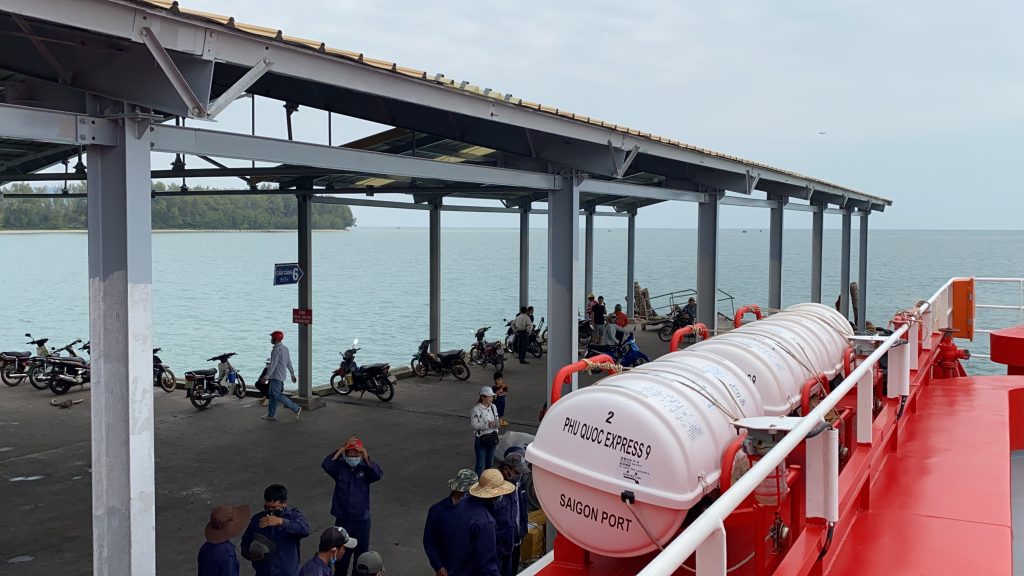
Should you take a car ferry or a passenger speedboat to Phu Quoc Island? The answer depends on whether you are bringing a vehicle, where your journey starts and what you plan to do after landing. Drivers need to confirm a vehicle-carrying sailing; foot passengers can compare departure times, terminals and prices.
A route page or reference fare does not prove that a particular sailing is currently for sale. Check your actual date and both directions before committing to hotels or ground transfers.
Car ferry versus passenger speedboat
- Car ferry: consider it when transporting a car, motorbike or other accepted vehicle. Confirm the vehicle type, space, charges and check-in instructions separately from passenger seats.
- Passenger speedboat: often suits people travelling with ordinary luggage who want to choose a departure that fits their itinerary. Never assume a passenger boat accepts cars; ask about motorbikes separately.
- Budget: compare passenger fare, vehicle fare, luggage charges if applicable and the cost of getting to and from both terminals.
- Travel time: use the operator’s current published journey time, then add road access, boarding and transfers after arrival.
Leaving from Rach Gia
Rach Gia can be the natural choice when your road itinerary already passes through the city. Before changing to Ha Tien, calculate whether the extra road journey actually saves money or time. Families may prefer an overnight stay near their chosen ferry terminal to a rushed connection.
Check the Rach Gia–Phu Quoc high-speed ferry timetable and the Vietnamese guide to Rach Gia ferry options. Review return departures before buying tickets.

Leaving from Ha Tien
Ha Tien may suit travellers already staying in the town or arriving from the western Mekong Delta. Drivers should identify the vehicle-ferry terminal, not simply follow directions to the passenger boat pier. Confirm the vehicle loading deadline and how the driver and passengers are ticketed.
For passenger services, check Ha Tien–Phu Quoc departures. For vehicle transport, see the Ha Tien vehicle-ferry guide.
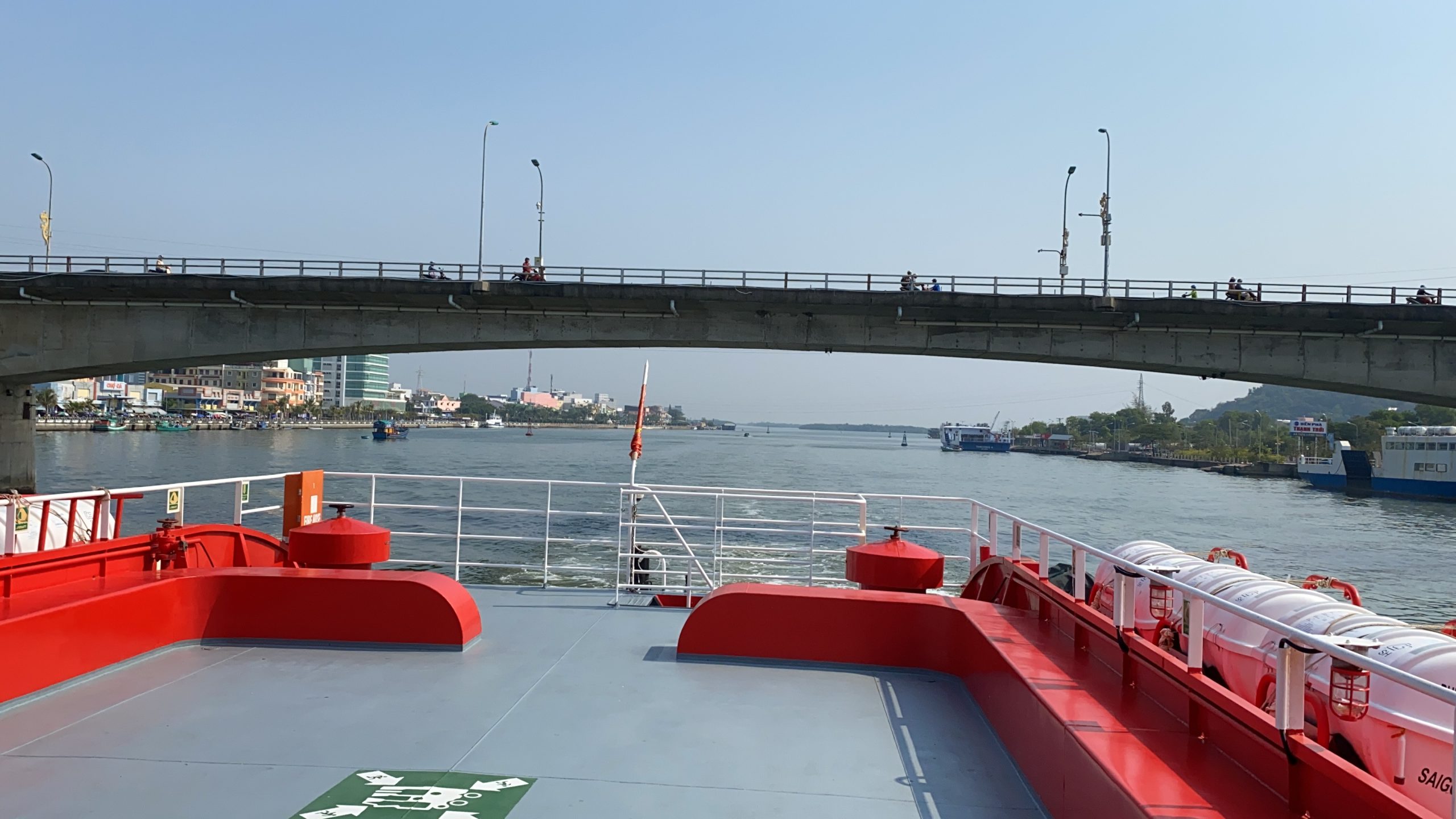
Bringing a car or motorbike
- Provide the make, model, number of seats, registration number and any dimensions requested by the operator.
- Reserve vehicle space for both outbound and return journeys; a passenger booking does not reserve a parking deck space.
- Ask whether the quoted vehicle tariff includes the driver and how all other passengers are charged.
- Obtain the exact loading terminal, vehicle-arrival deadline, documentation list and unloading instructions.
- If you are staying only briefly, compare vehicle transport both ways against renting appropriate transport on Phu Quoc.
How to check the price and book correctly
Start from the current sailing schedule, choose the exact ports and departure date, and verify the final price and terms with the ticket issuer. Do not rely on an old photographed timetable or historic promotional fare.
- Confirm full passenger names and ID requirements.
- Check the arrival terminal on Phu Quoc, especially if a hotel transfer is arranged.
- Leave enough time between ferry arrival and long-distance buses or flights.
- Save your electronic ticket, booking reference and the operator’s contact details.
Frequently asked questions
Can I travel on a car ferry without a vehicle?
Some vehicle ferries sell tickets to foot passengers. Check the individual sailing’s passenger policy, fares and terminal before choosing.
Can I add a motorbike after booking a passenger ticket?
Not automatically. The vessel and vehicle deck must have enough approved space, and separate fees may apply. Request confirmation before reaching the port.
Is the fare displayed online final?
Reference prices help with budgeting. Verify the selected date, passenger category, seat type, vehicle class and any additional fees before paying.
For assistance, use Book Ferry Tickets and specify your departure point, return date, passenger count and vehicle details.

Original Vietnamese article: Đi Phú Quốc bằng phà hay tàu cao tốc?.