



 Tiếng Việt
Cau Da Port Vung Tau is one of the city’s most historic maritime landmarks, closely connected to the development of Vung Tau as an important coastal destination in southern Vietnam. Originally constructed in 1896 during the French colonial period, the port was part of an ambitious maritime infrastructure and coastal defense project.
Today, the Cau Da Port area combines historical significance with modern maritime activities, including passenger ferry services connecting Vung Tau with Con Dao Island.
Located along Ha Long Street near Front Beach (Bai Truoc), at the foot of Small Mountain (Nui Nho), the port occupies a scenic coastal setting that reflects more than a century of local maritime history.
For visitors traveling to Con Dao, understanding the location and history of Cau Da Port can also help ensure a smoother journey.
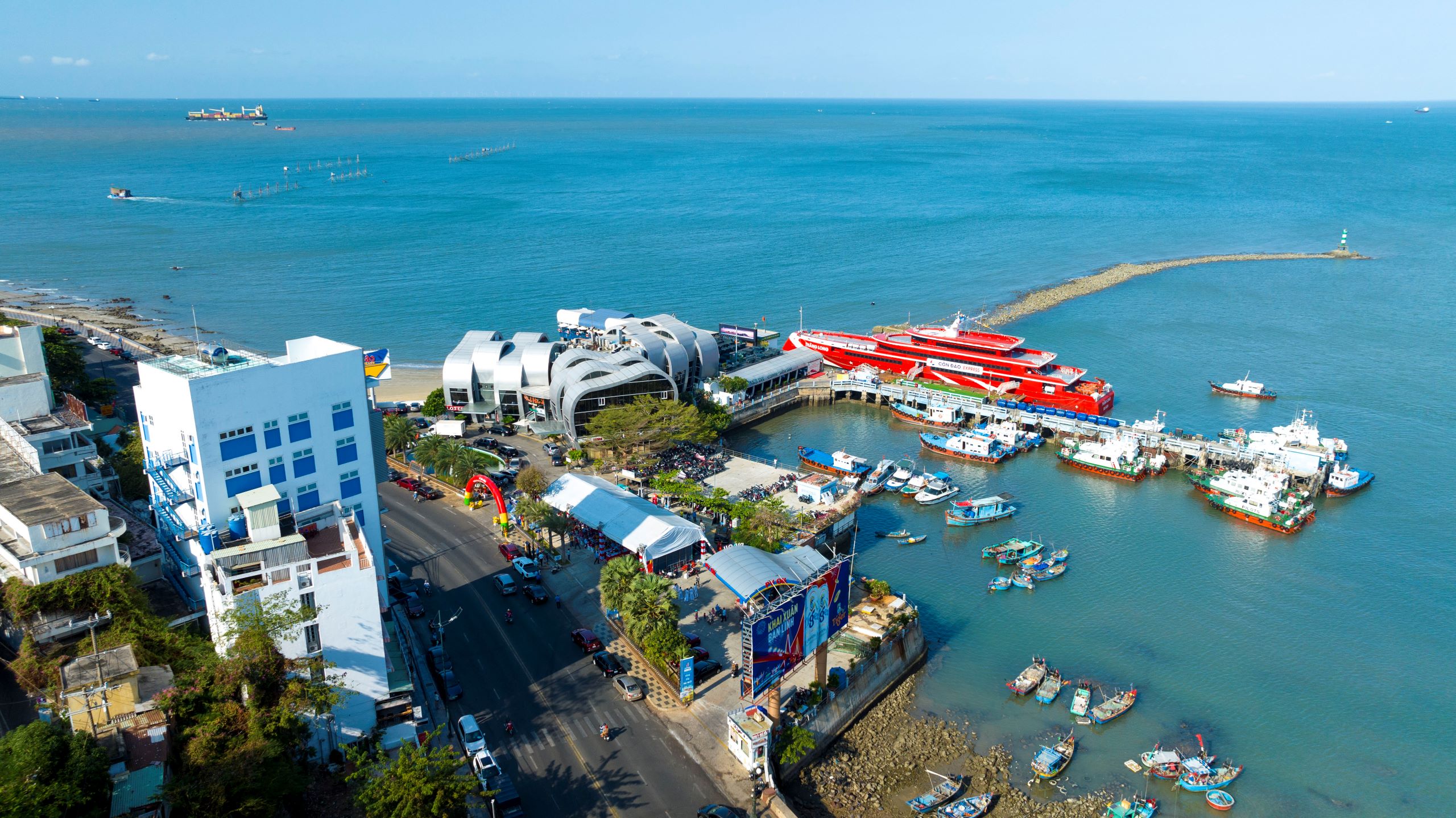
Where Is Cau Da Port in Vung Tau?
Cau Da Port is located at 9 Ha Long Street, Vung Tau Ward, Ho Chi Minh City, Vietnam.
Before Vietnam’s administrative restructuring in 2025, its address was 9 Ha Long Street, Ward 2, Vung Tau City, Ba Ria – Vung Tau Province.
Essential information:
- Official name: Cau Da Port
- Vietnamese name: Cảng Cầu Đá Vũng Tàu
- Address: 9 Ha Long Street, Vung Tau Ward, Ho Chi Minh City
- Location: Near Front Beach, at the foot of Small Mountain
- Historical construction began: 1896
- Main historical functions: Maritime infrastructure and coastal defense
- Modern maritime activities: Passenger ferry operations and related services
- Notable ferry route: Vung Tau – Con Dao
The port is situated along Ha Long Street, one of Vung Tau’s most scenic coastal roads. Its location makes it accessible from the city center, nearby hotels, restaurants, and tourist attractions.
Travelers should distinguish Cau Da Port from other passenger terminals in Vung Tau, particularly the Ho May ferry terminal at 1A Tran Phu Street.
History of Cau Da Port Vung Tau
The Construction of Cau Da Port in 1896
During the late nineteenth century, French colonial authorities recognized Vung Tau’s strategic position at the maritime gateway to southern Vietnam.
Located near the approaches to the Saigon River, Vung Tau was considered an important location for navigation, military defense, and maritime transportation.
Around 1890, plans were developed to build a harbor that could provide anchorage and protection for vessels operating along Vietnam’s southern coastline.
Construction of the original port infrastructure began in 1896.
Historical accounts describe a stone breakwater extending more than 400 meters into the sea. Its foundation was approximately 15 meters wide, while the upper surface measured around four meters across.
Built using stone and concrete, the structure extended from the northern side of Small Mountain toward the waters of Front Beach.
The project was intended to establish a maritime facility capable of supporting shipping activities and military operations.
The Difficult History Behind the Port’s Construction
Beyond its engineering significance, Cau Da Port is associated with a difficult period in Vietnam’s colonial history.
Historical records describe how the French authorities used forced labor, including prisoners and individuals associated with anti-colonial resistance movements, during the construction of the port.
Workers were required to transport large quantities of stone under demanding conditions.
The construction site was exposed to coastal weather, waves, and tidal movements, making the work physically challenging and dangerous.
For this reason, Cau Da Port represents more than a historical maritime structure. It also serves as a reminder of the sacrifices and hardships experienced by Vietnamese people during the colonial era.
Why Did the Original Port Project Fail?
Despite its ambitious design, the original harbor project did not achieve its intended operational success.
One major challenge was the natural coastal environment.
Sea currents, sediment movement, and the gradual accumulation of sand and mud affected the port’s navigability and usefulness.
The breakwater’s orientation also contributed to sediment deposition in the surrounding waters.
In 1904, a severe typhoon struck southern Vietnam, causing extensive damage to coastal infrastructure, including structures associated with the Cau Da harbor project.
Over time, the original port development lost its intended role.
Nevertheless, the remaining stone structures became important historical landmarks reflecting Vung Tau’s early maritime development.
Cau Da Coastal Artillery Battery: A Historic Military Landmark
The history of Cau Da Port is closely linked to the coastal artillery installations constructed around Small Mountain during the French colonial period.
Toward the end of the nineteenth century, French authorities developed a defensive network across Big Mountain (Nui Lon) and Small Mountain (Nui Nho).
These fortifications were designed to protect strategic maritime approaches and monitor shipping movements toward Saigon.
The Cau Da artillery battery was positioned on the slopes of Small Mountain, overlooking Front Beach and the surrounding coastal waters.
Historical descriptions identify four large coastal guns, reportedly with a caliber of approximately 240 mm, arranged to provide a broad field of observation and defense.
The installation included gun positions, supporting fortifications, and access routes used for transporting equipment and supplies.
Today, the surviving structures and historical traces provide insight into colonial military engineering and the strategic importance of Vung Tau.
Visitors interested in military history and colonial-era architecture may find the Cau Da area particularly fascinating.
Cau Da Port Vung Tau Today
More than a century after its original construction, the Cau Da Port area has undergone substantial changes.
From an ambitious colonial harbor and military infrastructure project, the site gradually became associated with passenger transportation, maritime services, and tourism.
For many years, Cau Da Port was known as one of the departure and arrival points for hydrofoil services connecting Saigon and Vung Tau.
These hydrofoils played an important role in passenger transportation between Ho Chi Minh City and the coastal destination of Vung Tau.
With changes in ferry infrastructure and passenger operations, the area also became associated with high-speed ferry services connecting Vung Tau and Con Dao.
Cau Da Port and the Vung Tau – Con Dao High-Speed Ferry
The Vung Tau – Con Dao ferry route is one of the notable maritime connections associated with Cau Da Port.
Over different operating periods, vessels serving this route have included Con Dao Express 36, Trung Trac, and other high-speed ferries operated by Phu Quoc Express.
One particularly notable vessel is Thang Long, a high-speed passenger ferry designed to accommodate up to 1,017 passengers.
The journey between Vung Tau and Con Dao generally takes approximately 3 hours and 15 minutes to 4 hours, depending on the vessel, sea conditions, and operating schedule.
Ferries serving Con Dao typically arrive at Ben Dam Port, the main maritime gateway to the island.
Because schedules and departure locations may change, travelers should confirm the operating terminal and boarding instructions shown on their ticket before traveling.
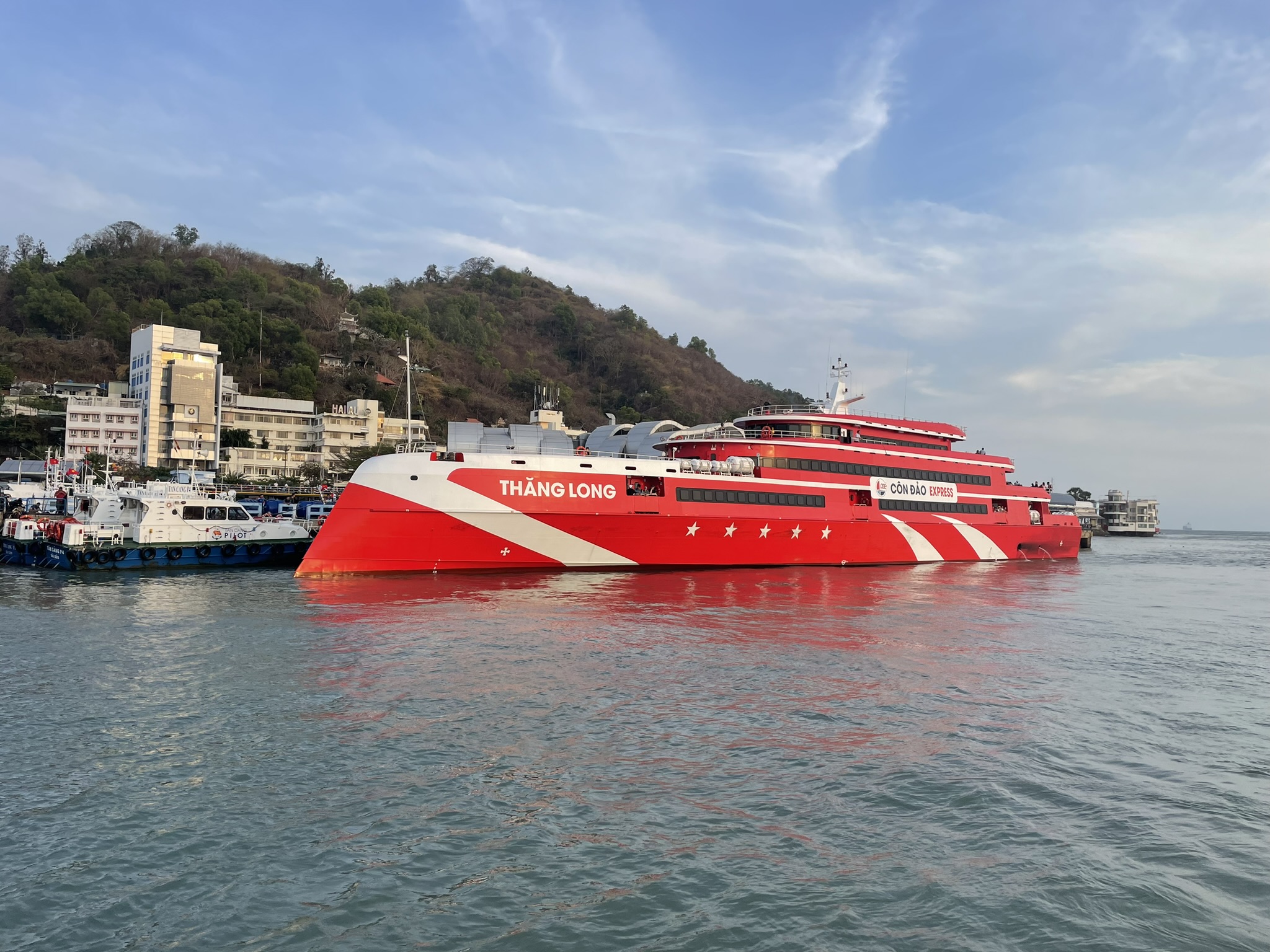
Vung Tau – Con Dao Ferry Schedule
Passengers planning to travel from Vung Tau to Con Dao can check the latest published ferry schedules through Taucaotoc.vn.
The system provides scheduled departures for the Vung Tau – Con Dao route, helping travelers select suitable travel dates.
| Date | Vung Tau → Con Dao | Con Dao → Vung Tau |
|---|---|---|
| 11/11/2026 Wednesday (Today) | Not operating | Not operating |
| 12/11/2026 Thursday (Tomorrow) | Not operating | Not operating |
| 13/11/2026 Friday | Not operating | Not operating |
| 14/11/2026 Saturday | Not operating | Not operating |
| 15/11/2026 Sunday | Not operating | Not operating |
| 16/11/2026 Monday | Not operating | Not operating |
| 17/11/2026 Tuesday | Not operating | Not operating |
| 18/11/2026 Wednesday | Not operating | Not operating |
| 19/11/2026 Thursday | Not operating | Not operating |
| 20/11/2026 Friday | Not operating | Not operating |
| 21/11/2026 Saturday | Not operating | Not operating |
| 22/11/2026 Sunday | Not operating | Not operating |
| 23/11/2026 Monday | Not operating | Not operating |
| 24/11/2026 Tuesday | Not operating | Not operating |
| 25/11/2026 Wednesday | Not operating | Not operating |
| 26/11/2026 Thursday | Not operating | Not operating |
| 27/11/2026 Friday | Not operating | Not operating |
| 28/11/2026 Saturday | Not operating | Not operating |
| 29/11/2026 Sunday | Not operating | Not operating |
| 30/11/2026 Monday | Not operating | Not operating |
| 01/12/2026 Tuesday | Not operating | Not operating |
| 02/12/2026 Wednesday | Not operating | Not operating |
| 03/12/2026 Thursday | Not operating | Not operating |
| 04/12/2026 Friday | Not operating | Not operating |
| 05/12/2026 Saturday | Not operating | Not operating |
| 06/12/2026 Sunday | Not operating | Not operating |
| 07/12/2026 Monday | Not operating | Not operating |
| 08/12/2026 Tuesday | Not operating | Not operating |
| 09/12/2026 Wednesday | Not operating | Not operating |
| 10/12/2026 Thursday | Not operating | Not operating |
| 11/12/2026 Friday | Not operating | Not operating |
Important notice: Ferry operations are subject to weather conditions, sea states, vessel maintenance, and the operator’s schedule. Departure times and operating dates may change.
Travelers are advised to reconfirm their ferry departure and terminal before arriving at the port.
How to Book Vung Tau – Con Dao Ferry Tickets
Passengers can submit ferry booking requests online through Taucaotoc.vn.
The booking process generally includes the following steps:
- Select the Vung Tau – Con Dao ferry route.
- Choose the travel date and return date if booking a round trip.
- Select the available departure, ticket class, and number of passengers.
- Enter passenger information according to the required identification documents.
- Review the booking details and submit the request.
- Receive confirmation of availability, ticket pricing, and further booking instructions from the booking team.
Submitting a booking request does not automatically guarantee a confirmed seat or an issued ferry ticket.
Travelers should complete the required confirmation process before making final travel arrangements.
How to Get to Cau Da Port Vung Tau
Cau Da Port is located along Ha Long Street, close to Front Beach and several central areas of Vung Tau.
Visitors can reach the port by taxi, motorcycle, private car, or ride-hailing service.
From Vung Tau City Center
Travelers staying around Front Beach can follow Ha Long Street toward Small Mountain.
The coastal road offers attractive views of the sea and is one of the city’s most recognizable scenic routes.
When using a map application or booking a ride, enter the destination as Cau Da Port, 9 Ha Long Street, Vung Tau.
Always verify the exact ferry departure terminal before leaving your hotel.
From Ho Chi Minh City
Travelers arriving from central Ho Chi Minh City can reach Vung Tau by limousine, passenger bus, private vehicle, or an available water transport service.
After arriving in Vung Tau, they can continue to Cau Da Port by local transportation.
Passengers using the Greenlines DP Saigon – Vung Tau ferry should note that its Vung Tau terminal may be listed as the Ho May terminal at 1A Tran Phu Street rather than Cau Da Port.
Travelers connecting to a Con Dao ferry should therefore allow additional time for local transfers.
Facilities and Services Near Cau Da Port
Motorcycle and Car Parking
Parking services are available in the surrounding area for travelers arriving by private transportation.
Passengers planning an extended trip to Con Dao should confirm whether overnight or multi-day parking is available.
Parking charges, operating hours, and security arrangements may vary between service providers.
Restaurants and Coffee Shops
The Cau Da Port area is close to several dining establishments and cafés along Ha Long Street and Front Beach.
One well-known dining destination in the area is Ganh Hao 2 Restaurant, which serves seafood and Vietnamese cuisine.
Other cafés and restaurants can be found along the coastal road and in nearby central neighborhoods.
Passengers departing on early morning ferries should consider having breakfast before arriving at the terminal.
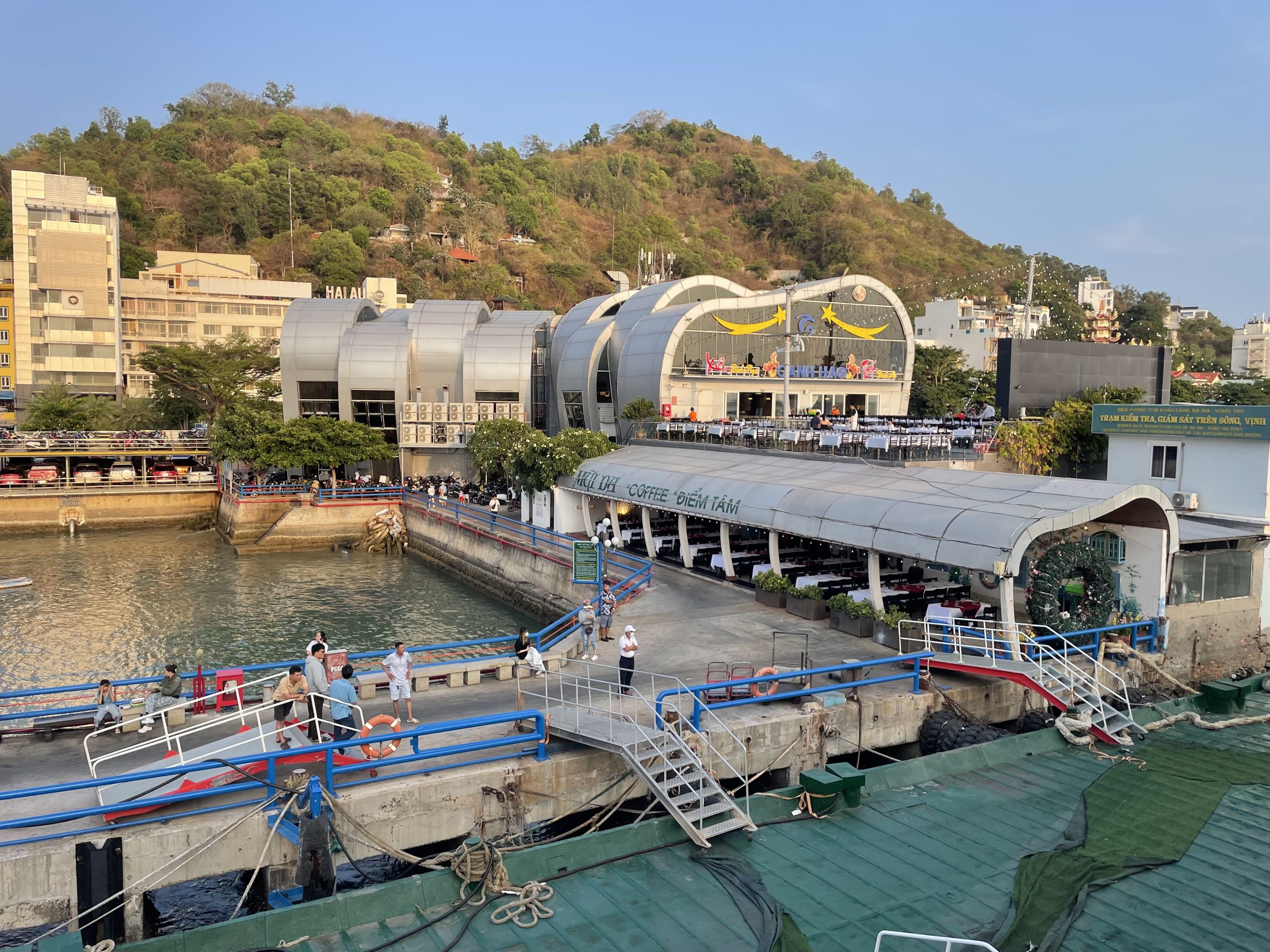
Ticket Counters and Passenger Waiting Areas
Passenger ferry services generally require designated check-in, boarding, and waiting arrangements.
However, ticket counters, access points, and boarding procedures may vary according to the operator and current terminal arrangements.
Travelers should follow the information provided in their booking confirmation.
Useful Travel Tips for Passengers Departing from Vung Tau
Arrive Early
Passengers should generally plan to arrive at the designated ferry terminal approximately 45–60 minutes before departure, or earlier if required by the operator.
This allows enough time for identification checks, ticket verification, and boarding procedures.
Prepare Identification Documents
Vietnamese passengers should bring valid identification documents accepted by the ferry operator.
International travelers should carry their passports or other accepted travel documents.
Families traveling with children should prepare any required identification or birth documents.
Monitor Weather and Sea Conditions
Sea conditions between Vung Tau and Con Dao can vary significantly throughout the year.
Rough seas, strong winds, and adverse weather may affect ferry schedules.
For safety reasons, ferry operators may postpone, reschedule, or cancel departures when maritime conditions are unsuitable.
Check the Correct Departure Terminal
Vung Tau has several maritime passenger facilities.
Travelers should never assume that all high-speed ferries depart from the same terminal.
Always check the port address on your confirmed ticket.
Plan Connections Carefully
Passengers connecting between the Saigon – Vung Tau ferry and the Vung Tau – Con Dao ferry should allow sufficient transfer time.
Separate ferry services may use different terminals, and delays can affect onward connections.
Cau Da Port and the Maritime Heritage of Vung Tau
Cau Da Port is more than a passenger transportation facility.
It reflects several important chapters in Vung Tau’s history, from colonial infrastructure projects and military fortifications to the rise of maritime tourism.
For generations of local residents, the image of passenger vessels operating around Front Beach has been part of the city’s identity.
The port area also offers a distinctive combination of maritime activity, coastal scenery, and historical landmarks.
Behind the waterfront stands Small Mountain, where colonial-era military structures remain part of Vung Tau’s historical landscape.
Facing the sea, the port area reflects the continuing importance of maritime transportation in connecting mainland Vietnam with offshore destinations.
For visitors interested in history, architecture, and coastal heritage, Cau Da Port provides an opportunity to explore an important part of southern Vietnam’s maritime past.
Frequently Asked Questions About Cau Da Port Vung Tau
Where is Cau Da Port located?
Cau Da Port is located at 9 Ha Long Street, Vung Tau Ward, Ho Chi Minh City, Vietnam. Its former administrative address was Ward 2, Vung Tau City, Ba Ria – Vung Tau Province.
When was Cau Da Port built?
Construction of the historical port infrastructure began in 1896 during the French colonial period.
Can I take a high-speed ferry from Cau Da Port to Con Dao?
Cau Da Port has been associated with high-speed ferry services between Vung Tau and Con Dao. Travelers should check the currently assigned departure terminal and ferry schedule before booking.
How long is the ferry journey from Vung Tau to Con Dao?
The journey usually takes approximately 3 hours and 15 minutes to 4 hours, depending on the vessel and sea conditions.
Do Saigon – Vung Tau hydrofoils arrive at Cau Da Port?
Cau Da Port historically served hydrofoil services between Saigon and Vung Tau. However, modern services such as Greenlines DP may use the Ho May terminal at 1A Tran Phu Street. Passengers should confirm their arrival terminal directly with the operator.
Is overnight parking available near Cau Da Port?
Parking facilities may be available in the surrounding area. Travelers should confirm overnight parking options, fees, and security arrangements with the relevant service provider.
What is the best way to check Vung Tau – Con Dao ferry schedules?
Passengers can check the published ferry timetable on Taucaotoc.vn and reconfirm their journey with the ferry operator before departure.
Cau Da Port Vung Tau: Where History Meets Modern Maritime Travel
More than 130 years after construction began, Cau Da Port remains an important landmark in Vung Tau’s maritime history.
From its origins as a colonial harbor project to its associations with military defense, hydrofoil transportation, and high-speed ferry operations, the port reflects the transformation of Vung Tau over more than a century.
For modern travelers, Cau Da Port offers a fascinating glimpse into the city’s historical identity while highlighting the importance of maritime connections between southern Vietnam and Con Dao Island.
Whether you are researching the history of Vung Tau, exploring the city’s coastal landmarks, or planning a ferry journey to Con Dao, understanding Cau Da Port adds historical context to your travel experience.
Planning a trip to Con Dao? Visit Taucaotoc.vn to check ferry schedules and submit your booking request.