Ferry Ticket Changes, Cancellations and Refund Policy

Sources checked: 31 October 2026. Changes, cancellations and refunds depend on the operator, route, fare and issuing channel. This guide covers Phu Quoc Express, GreenlinesDP, Superdong and Phu Quy Express.

Contact the seller that issued your ticket. For tickets issued by taucaotoc.vn, call +84 88 921 1234 or email booking@taucaotoc.vn. Sending a request does not complete a change or cancellation: obtain acknowledgement and confirmation of the outcome.

1. Phu Quoc Express

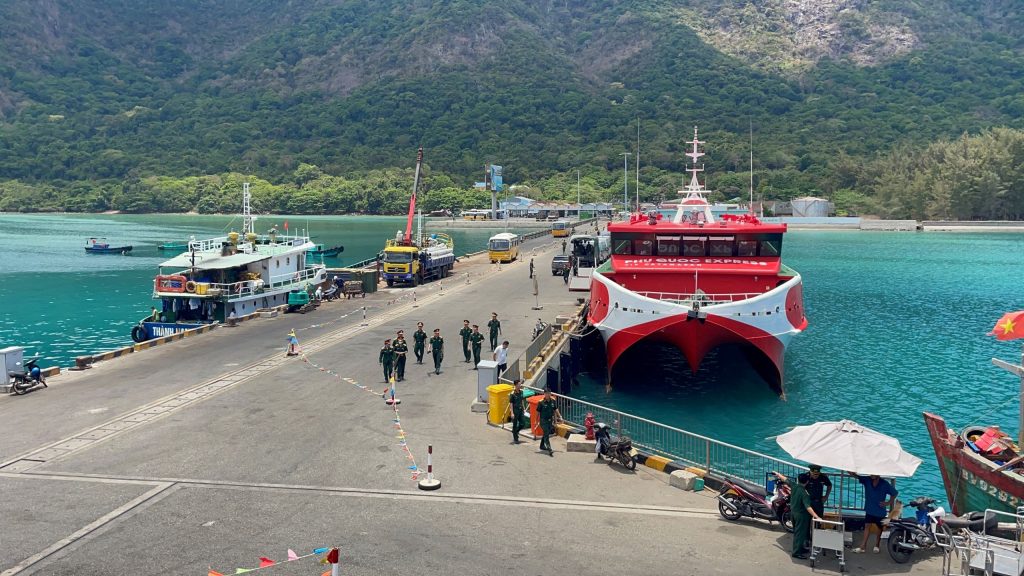
The general FAQ lists a 20% charge on the published fare for cancellations more than 24 hours ahead; no refund within 24 hours. Date/route changes follow cancellation charges. Specified force-majeure service cancellations qualify for a full ticket refund.

Phan Thiet–Phu Quy exception: the operator’s Phu Quy port page instead states 30% before 24 hours. These public sources differ; staff must confirm the applicable ticket conditions before quoting a charge.

Sources: Operator FAQ; Phu Quy port information.

2. GreenlinesDP

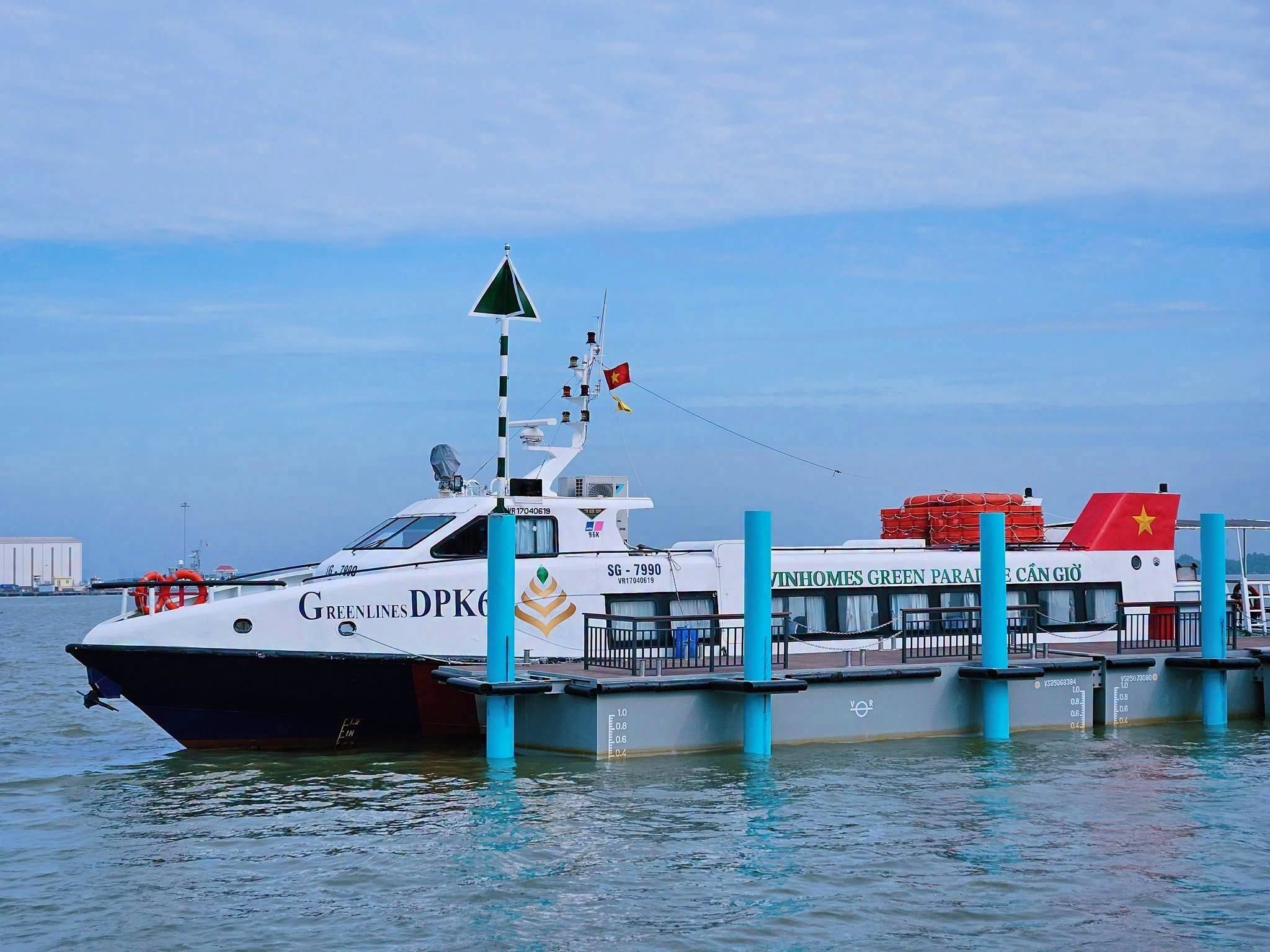
For standard tickets, the first change is free at least one hour ahead; a change within one hour or subsequent changes cost 50% each. Voluntary refunds before departure incur 60%; groups of 20 or more must give one day’s notice.

Promotional tickets cannot be amended or refunded. Missing departure without notice invalidates the ticket. If notified beforehand, the operator may transfer travel subject to seats, charges and fare differences. Specified operational or force-majeure cancellations qualify for a full refund; confirm the notice for your sailing.

Sources: Refund policy; Passenger rules.

3. Superdong

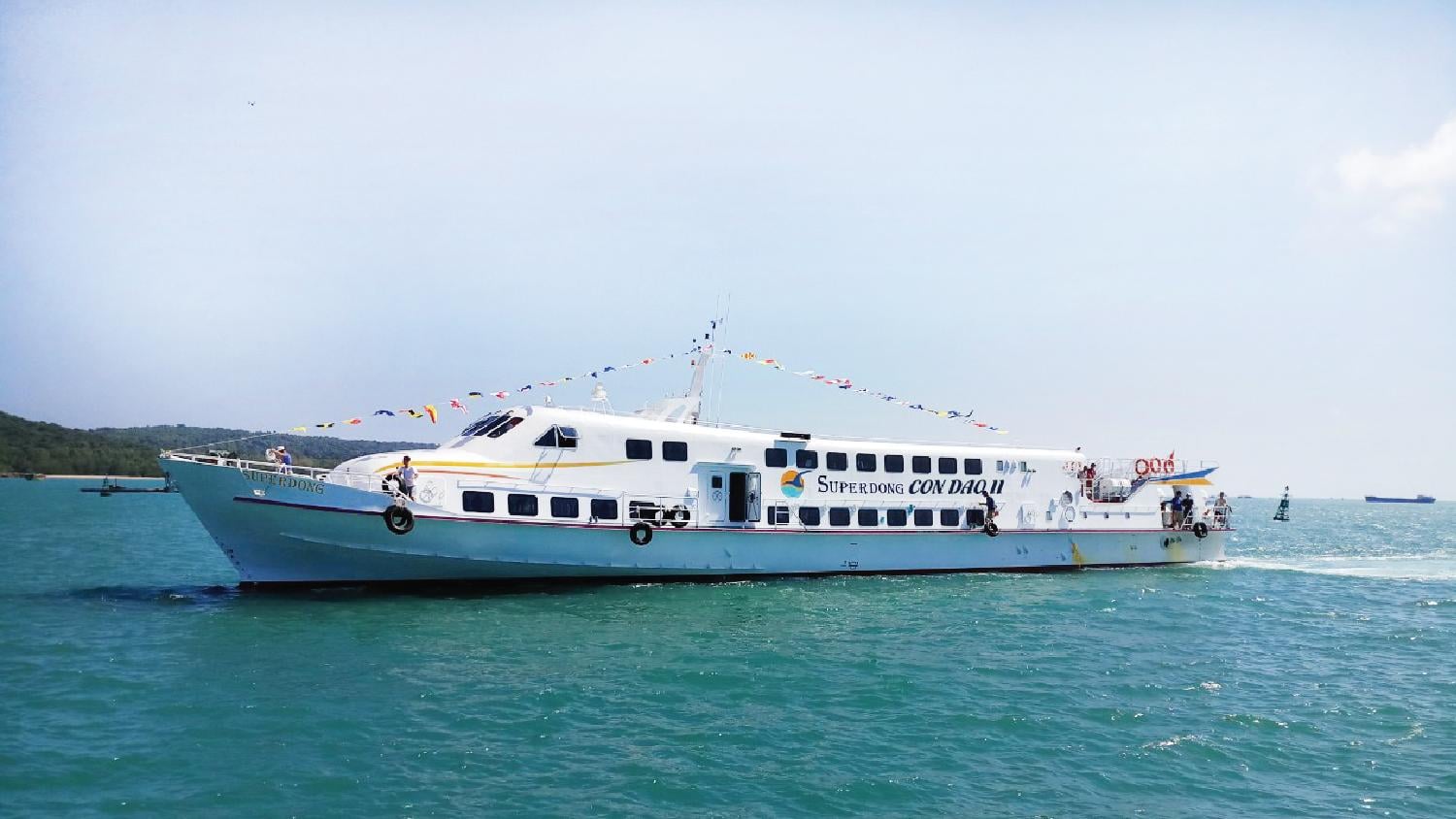
The operator’s booking terms state a 30% fee for online-ticket refunds requested more than 48 hours ahead. This applies to its online channel, not automatically to agency, group or promotional fares.

Ask the issuing seller to confirm date/name changes, short-notice conditions and refund timing for your ticket. This reference does not imply that taucaotoc.vn is an authorized Superdong agent.

Source: Superdong booking terms, clause 4.6.

4. Phu Quy Express

The policy effective 12 April 2025 was checked against the operator’s 2026 information. Percentages below are charges, not refund percentages.

Advance notice Mon–Thu Fri–Sun Public holidays
5–3 days 10% 20% 20%
72–48 hours 20% 30% 30%
48–36 hours 30% 40% 50%
36–20 hours 50% No refund; one date change at 40% No refund; one date change at 50%

At least 20 hours’ notice is required. Changes keep the route and passenger, subject to availability and fare differences. The first name/details amendment is free; later amendments cost 20% plus any difference. Passenger-category changes follow cancellation charges. No changes/refunds after departure. Refund processing is stated as 3–5 working days to the original paying account.

The published table does not clarify requests earlier than five days or exact boundary times. Confirm these before proceeding.

Sources: Phu Quy Express policy; 2026 fare and conditions information.

How to request a change or refund

  1. Provide your ticket/order reference, passenger name, route, departure date/time and requested change or cancellation. Do not post identity documents or bank details in public comments.
  2. Staff check the ticket conditions and availability, then explain charges, fare differences and the expected refund for your confirmation.
  3. A change or cancellation is complete only after the issuing seller confirms it. Keep the replacement ticket or cancellation confirmation and refund receipt.

Refund amounts depend on the payment for unused services less applicable charges disclosed to you. Do not assume all surcharges are refundable or non-refundable. Receipt timing depends on the operator, payment channel and bank. Phu Quy Express’s 3–5 working days is not a shared deadline for the other three operators.

If the operator cancels or changes a sailing: contact your seller for the options in the specific announcement; do not automatically apply voluntary cancellation charges. A ticket refund does not automatically cover hotels, connecting transport or other services. A bad-weather forecast alone is not an operator cancellation; voluntary cancellation conditions may still apply.

This guide does not replace the specific conditions confirmed at purchase or mandatory consumer rights. Read the booking and payment guide.

Chính sách đổi, hủy vé và hoàn tiền vé tàu cao tốc

Chính sách đổi, hủy vé và hoàn tiền phụ thuộc hãng vận chuyển, tuyến, loại vé và kênh xuất vé. Bài viết tổng hợp trước bốn hãng: Phú Quốc Express, GreenlinesDP, Superdong và Phú Quý Express.

Vé mua tại đâu, yêu cầu xử lý tại đó. Với vé do taucaotoc.vn xuất, liên hệ 088 921 1234 hoặc booking@taucaotoc.vn. Vé mua ở kênh khác cần liên hệ nơi bán. Gửi tin nhắn chưa đồng nghĩa vé đã đổi/hủy thành công; hãy yêu cầu xác nhận tiếp nhận và kết quả xử lý.

1. Phú Quốc Express

Theo mục hỏi đáp chung của hãng, hủy trước 24 giờ chịu phí 20% giá niêm yết; trong vòng 24 giờ không được hoàn. Đổi ngày/tuyến áp dụng mức hủy tương ứng. Hãng nêu hoàn toàn bộ tiền vé khi ngừng vận hành vì các nguyên nhân bất khả kháng được quy định.

Lưu ý tuyến Phan Thiết–Phú Quý: trang thông tin cảng Phú Quý của chính hãng lại nêu mức 30% trước 24 giờ. Do nguồn công khai chưa thống nhất, nhân viên phải xác nhận điều kiện của mã vé cụ thể trước khi báo phí.

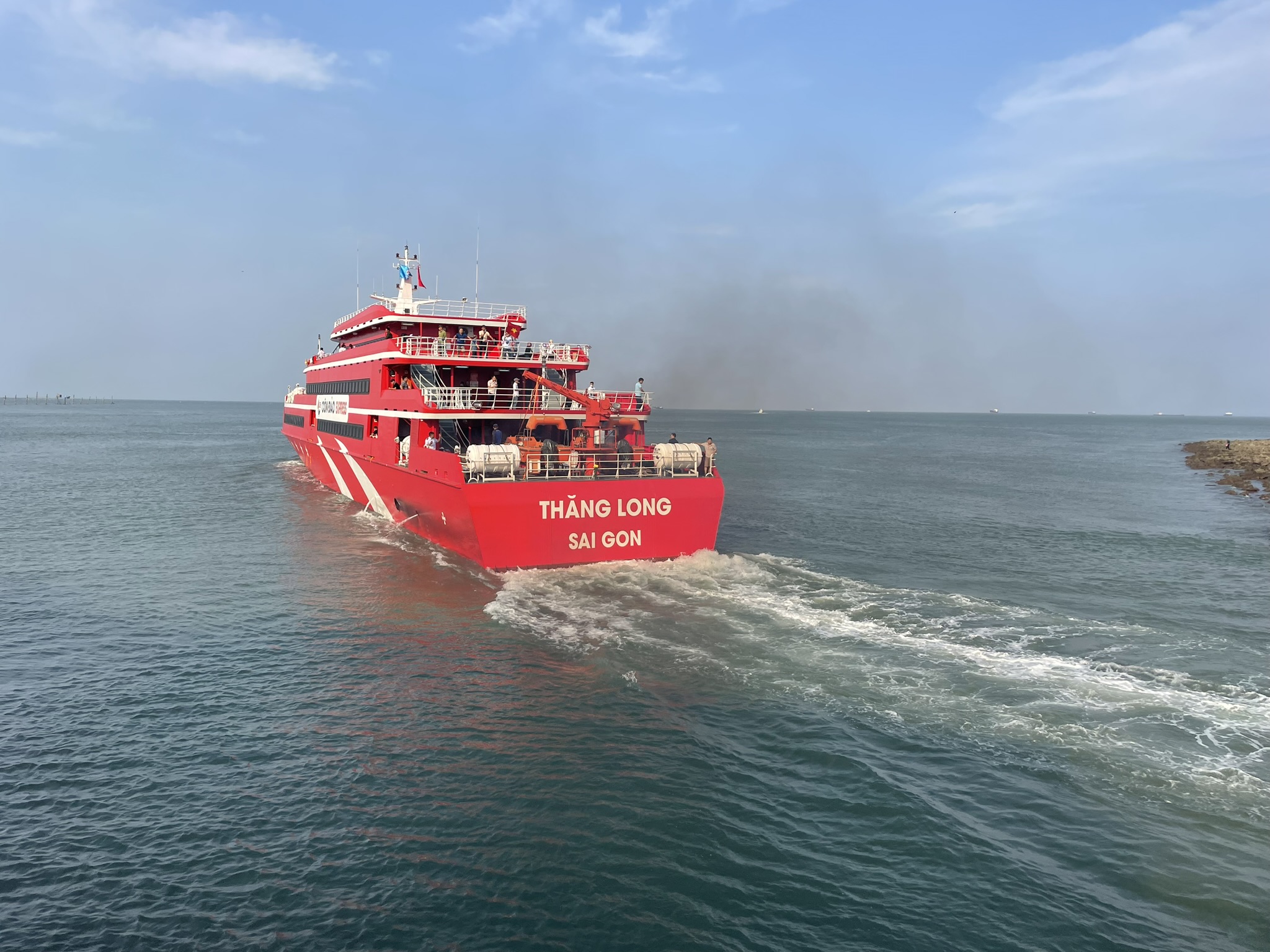
Tàu cao tốc Thăng Long Vũng Tàu đi Côn Đảo

2. GreenlinesDP

Vé thường được đổi lần đầu không mất phí nếu báo trước ít nhất 1 giờ. Đổi sát giờ trong vòng 1 giờ hoặc từ lần thứ hai: phí 50% mỗi lần. Khách tự hoàn vé trước khởi hành chịu phí 60%; đoàn từ 20 người cần báo hủy trước 1 ngày.

Vé khuyến mãi không được đổi thông tin, ngày/giờ hoặc hoàn. Trễ tàu không báo trước làm vé mất giá trị; nếu đã báo, hãng xem xét chuyển chuyến trong điều kiện còn chỗ, có thể thu phí và chênh lệch. Một số trường hợp ngừng vận hành hoặc bất khả kháng được hãng quy định hoàn 100%; cần xác nhận theo thông báo chuyến.

3. Superdong

Điều khoản trên cổng đặt vé Superdong nêu: hoàn vé trực tuyến trước 48 giờ, phí 30%. Đây là quy định cho kênh online của hãng, không tự động đại diện cho mọi vé đại lý, vé đoàn hoặc khuyến mãi.

Phí đổi ngày, đổi tên, điều kiện sát giờ và thời hạn hoàn tiền cần được nơi xuất vé xác nhận theo mã vé. Mục thông tin này không có nghĩa taucaotoc.vn là đại lý được Superdong ủy quyền.

4. Phú Quý Express

Bảng phí công bố trong chính sách có hiệu lực từ 12/04/2025, được đối chiếu với trang thông tin năm 2026 của hãng. Các tỷ lệ dưới đây là phí, không phải tỷ lệ tiền được hoàn.

Khoảng báo trước Thứ Hai–Thứ Năm Thứ Sáu–Chủ Nhật Lễ, Tết
5–3 ngày 10% 20% 20%
72–48 giờ 20% 30% 30%
48–36 giờ 30% 40% 50%
36–20 giờ 50% Không hoàn; đổi ngày một lần, phí 40% Không hoàn; đổi ngày một lần, phí 50%

Yêu cầu phải báo trước tối thiểu 20 giờ. Đổi chuyến cần cùng tuyến, cùng hành khách và còn chỗ; chênh lệch giá được tính thêm. Đổi tên/thông tin lần đầu miễn phí; lần tiếp theo phí 20% và chênh lệch nếu có. Đổi nhóm hành khách áp dụng phí hủy tương ứng. Sau giờ chạy không đổi/hoàn. Hãng công bố xử lý hoàn trong 3–5 ngày làm việc về tài khoản đã thanh toán.

Bảng nguồn chưa làm rõ trường hợp sớm hơn 5 ngày và cách tính tại đúng các mốc giao nhau; cần xác nhận trước khi thực hiện.

Cách gửi yêu cầu và nhận tiền hoàn

  1. Gửi mã vé/đơn, tên hành khách, tuyến, ngày giờ đi và nội dung cần đổi hoặc hủy. Không đăng giấy tờ cá nhân hay số tài khoản trong phần bình luận công khai.
  2. Nhân viên kiểm tra điều kiện áp dụng, tình trạng vé và chỗ chuyến mới; thông báo phí, chênh lệch và số tiền dự kiến hoàn để khách xác nhận.
  3. Chỉ coi việc đổi/hủy hoàn tất khi có kết quả từ nơi xuất vé. Giữ lại vé mới hoặc xác nhận hủy và chứng từ hoàn tiền.

Tiền hoàn được xác định từ khoản thanh toán của phần dịch vụ chưa sử dụng, trừ các phí thực sự áp dụng đã được thông báo. Không mặc định mọi phụ thu đều được hoàn hoặc đều bị giữ lại. Thời gian nhận tiền phụ thuộc hãng, kênh thanh toán và ngân hàng; mốc 3–5 ngày của Phú Quý Express không áp dụng chung cho ba hãng còn lại.

Khi hãng hủy hoặc thay đổi chuyến: liên hệ nơi mua để xác nhận quyền đổi/hoàn theo thông báo cụ thể; không tự áp phí khách chủ động hủy. Hoàn tiền vé không đồng nghĩa tự động bồi hoàn khách sạn, xe nối chuyến hoặc dịch vụ khác. Nếu chỉ có dự báo thời tiết xấu nhưng hãng chưa thông báo hủy, việc khách tự hủy vẫn cần kiểm tra điều kiện vé.

Đây là hướng dẫn tra cứu, không thay thế điều kiện riêng đã xác nhận khi mua vé hoặc quyền lợi bắt buộc theo pháp luật. Xem hướng dẫn đặt vé và thanh toán.

Đặt phà vận chuyển xe Hà Tiên – Phú Quốc

Đặt vé phà cao tốc

Hành khách & phương tiện · Không cần tài khoản

Bạn muốn đi đâu?
Giờ Việt Nam (UTC+7)
Lượt đi
Chọn giờ khởi hành

Tổng tạm tính—
Bảng giá vé phà
Hà Tiên ↔ Phú Quốc
Hạng vé / loại xeVé thườngGiườngGiá xe
Hành khách thường185.000đ250.000đ—
Người cao tuổi145.000đ210.000đ—
Thương binh, người khuyết tật130.000đ195.000đ—
Trẻ em 5 - 11 tuổi130.000đ195.000đ—
Trẻ dưới 1m0đ65.000đ—
Xe gắn máy——80.000đ
Xe mô tô——150.000đ
Mô tô 3 bánh——560.000đ
Ô tô 4-5 chỗ——850.000đ
Bán tải 4 chỗ / ô tô 6-9 chỗ——1.100.000đ
Bán tải 6 chỗ / ô tô 10-16 chỗ——1.400.000đ
Ô tô 17-19 chỗ——2.000.000đ
Ô tô 20-25 chỗ——2.200.000đ
Ô tô từ 26 chỗ——3.000.000đ
Xe ba gác thô sơ——700.000đ
Xe tải 500kg đến dưới 1,5 tấn——1.500.000đ
Xe tải 1,5 đến dưới 2,5 tấn——1.800.000đ
Xe tải 2,5 đến dưới 3,5 tấn——2.000.000đ
Xe tải 3,5 đến dưới 4,5 tấn——2.200.000đ
Xe tải 4,5 đến dưới 5,5 tấn——2.600.000đ
Xe tải 5,5 đến dưới 6,5 tấn——2.800.000đ
Xe tải 6,5 đến dưới 9 tấn——3.000.000đ
Xe từ 9,1 tấn và xe chuyên dụng——400.000đ / tấn
Container 20 feet——6.000.000đ
Container 40 feet——8.000.000đ
Container 45 feet——10.000.000đ

Con Dao Oyster Sauce – A Traditional Island Specialty and Unique Local Gift

When exploring the culinary delights of Con Dao Island, visitors often think of fresh seafood such as moon crabs, sea snails, grouper, and oysters. While oysters are commonly enjoyed grilled with scallion oil, steamed with lemongrass, or cooked in porridge, Con Dao oyster sauce (Mam Hau Con Dao) offers a distinctive flavor deeply rooted in the island’s traditional food culture.

Simple yet rich in flavor, this fermented oyster sauce has long been a familiar condiment in the daily meals of local families. For travelers, a bottle of traditional Con Dao oyster sauce is also a meaningful souvenir that captures the authentic taste of Vietnam’s beautiful offshore islands.

Con Dao oyster sauce is traditionally made from wild oysters collected along rocky shores and small islands surrounding the Con Dao archipelago. During low tide, local fishermen travel by boat to areas around Hon Tre Lon, Hon Tre Nho, Hon Tai, and Hon Bay Canh to gather oysters attached to coastal rocks.

Although oyster harvesting may appear straightforward, it requires considerable skill and experience. Fishermen typically carry small pointed hammers, picking tools, and containers. Once an oyster is located, they carefully tap its shell, open it, and remove the tender meat inside.

The process demands precision because excessive force can damage the delicate oyster meat, reducing its quality for fermentation.

To produce authentic Con Dao fermented oyster sauce, local makers select fresh, medium-sized oysters with firm meat. After removing the shells, the oysters are thoroughly cleaned, drained, and mixed with sea salt, chili powder, fresh chilies, rice wine, galangal, and other traditional seasonings.

The mixture is then placed in bottles or jars and left to ferment under suitable conditions.

According to traditional local preparation methods, after approximately 20 days, the mixture begins developing a characteristic reddish color, while the oyster meat rises toward the surface. Its aroma gradually becomes richer and more pronounced.

However, the actual fermentation period may vary depending on the recipe, temperature, processing conditions, and storage methods.

What makes Mam Hau Con Dao special is its harmonious combination of salty, spicy, mildly sour, and naturally savory flavors.

The salt enhances the natural richness of the oysters, while chilies add a gentle heat and galangal contributes a distinctive fragrance. Experienced producers carefully balance the ingredients to preserve the oysters’ original sweetness and create a delicious, well-rounded condiment.

Local producers explain that harvesting wild oysters is not always easy. Their availability depends on tides, weather conditions, and the sea environment. As a result, traditional oyster sauce production involves substantial effort, from collecting and preparing fresh oysters to seasoning, fermentation, and bottling.

Despite these challenges, local families and small producers continue preserving this traditional specialty, allowing visitors to experience an authentic part of Con Dao’s culinary heritage.

How to Enjoy Con Dao Oyster Sauce

Con Dao oyster sauce can be served as a dipping sauce or enjoyed alongside a variety of traditional Vietnamese dishes.

To prepare a dipping sauce, simply transfer some fermented oyster meat and liquid from the bottle into a small bowl. Depending on personal taste, add chopped garlic, fresh chilies, lime juice, or a little sugar to adjust the flavor.

One of the simplest ways to enjoy oyster sauce is with freshly steamed rice. Its rich, savory taste makes even an ordinary meal memorable.

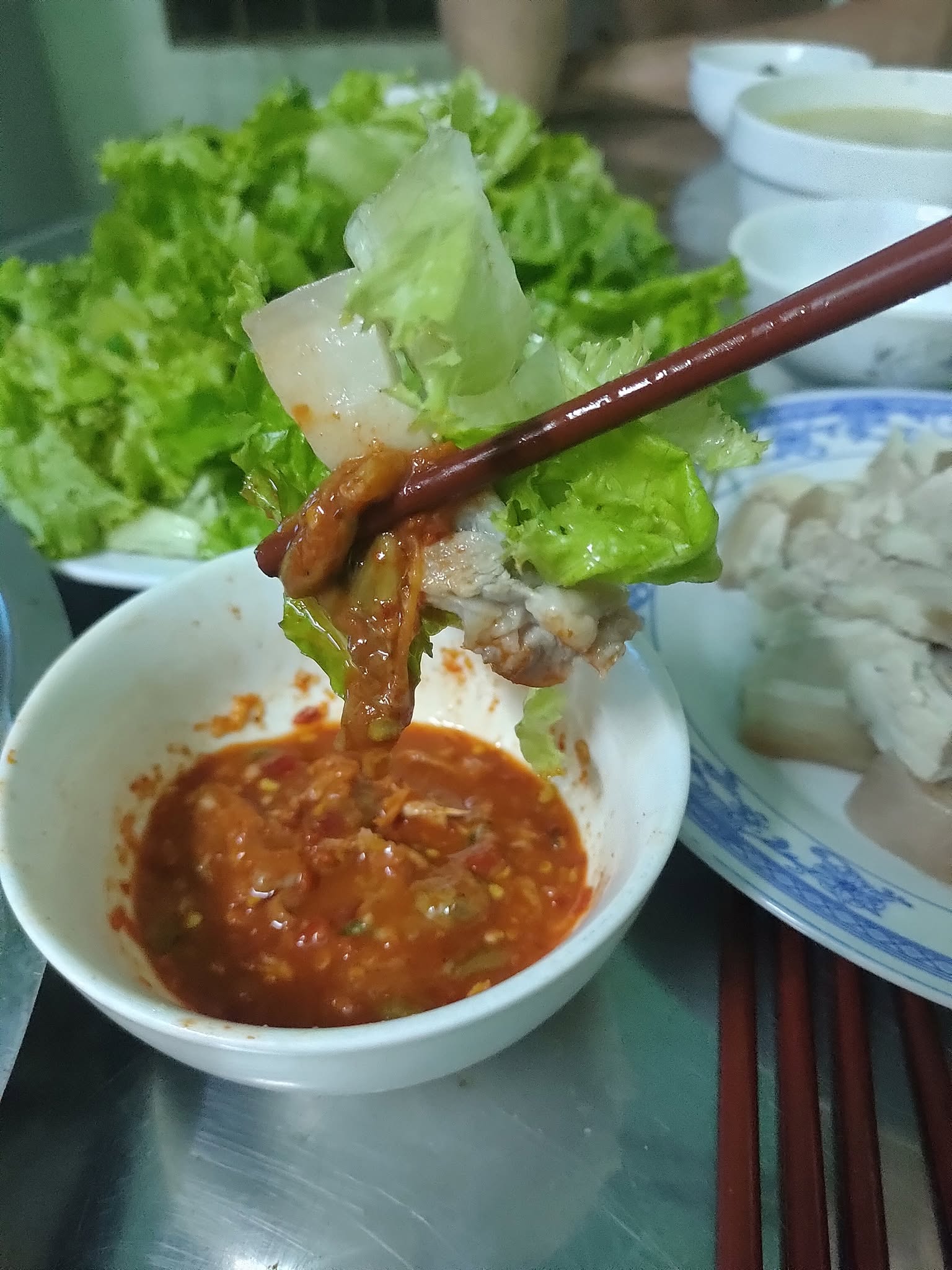
The sauce also pairs wonderfully with boiled pork, steamed vegetables, fresh herbs, and traditional Vietnamese rice paper rolls.

A particularly delicious combination is rice paper filled with sliced pork belly, rice vermicelli, lettuce, and aromatic herbs, served with a bowl of Con Dao oyster sauce.

The tender pork, refreshing vegetables, and soft rice noodles complement the sauce’s distinctive salty and spicy flavor, creating a balanced and satisfying Vietnamese dining experience.

Beyond its unique taste, fresh oysters are naturally rich in protein and contain essential minerals such as zinc, iron, calcium, and magnesium. However, the nutritional composition of fermented oyster sauce depends on the ingredients and preparation process.

Because fermented oyster sauce may contain significant amounts of salt, it is best enjoyed in moderation. Visitors should also choose properly produced, clearly labeled products from reputable suppliers.

Where to Buy Con Dao Oyster Sauce

Today, Con Dao oyster sauce is one of the traditional local specialties that travelers can purchase during their visit to the island.

Visitors can look for bottled oyster sauce at Con Dao Market, local specialty shops, and selected traditional food producers.

Prices vary depending on bottle size, ingredient quality, brand, and production methods.

When purchasing oyster sauce as a souvenir, travelers should check the packaging, production date, expiration date, product origin, and storage instructions.

For the best experience, consider asking local sellers about the sauce’s flavor, fermentation method, and recommended ways to serve it.

Some local restaurants and eateries may also serve traditional oyster sauce with rice, vegetables, or pork dishes, providing an opportunity to taste this island specialty before purchasing it.

A Taste of Con Dao to Take Home

Among the many seafood specialties of Con Dao, fermented oyster sauce stands out for its simplicity, traditional preparation, and distinctive flavor.

It may not be as luxurious as premium seafood dishes, but it represents an important part of the island’s everyday culinary culture.

A bottle of Mam Hau Con Dao is more than a food souvenir. It reflects the islanders’ connection with the sea, their traditional food preservation techniques, and the unique flavors of coastal Vietnamese cuisine.

For travelers planning a trip to Con Dao Island, tasting traditional oyster sauce is an enjoyable way to discover the destination beyond its beautiful beaches and historical landmarks.

Visitors can combine their culinary journey with sightseeing, exploring Con Dao’s historical sites, discovering local markets, and enjoying the island’s peaceful natural scenery.

To plan your journey, visit Taucaotoc.vn for information about high-speed ferry schedules to Con Dao Island, ticket prices, departure ports, and ferry booking options.

Discover Con Dao’s authentic island flavors and bring home a memorable taste of Vietnam’s coastal heritage.

An Son Temple Con Dao: The Legend of Lady Phi Yen and Its Cultural Heritage

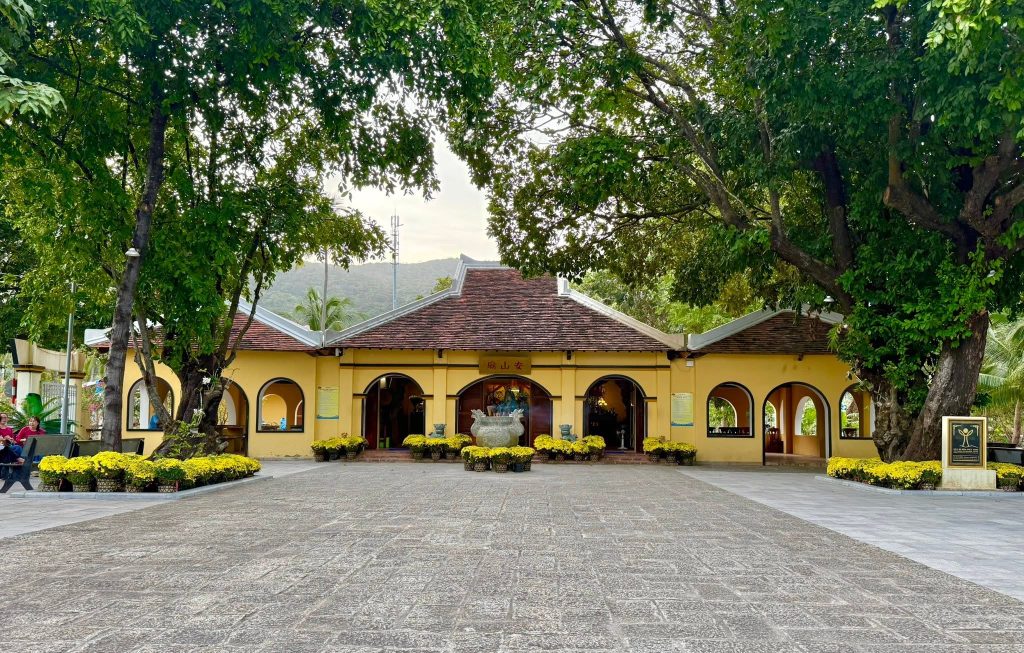
An Son Temple Con Dao, also known as Phi Yen Temple or An Son Mieu, is one of the island’s most significant cultural and spiritual attractions. Located approximately 2 kilometers southwest of central Con Dao, the temple is associated with the legend of Lady Phi Yen, traditionally believed to have been a consort of Nguyen Phuc Anh, who later became Emperor Gia Long of the Nguyen Dynasty.

Surrounded by peaceful natural scenery, the temple is not only a place of worship but also an important part of Con Dao’s local folklore and spiritual traditions.

The story of Lady Phi Yen and Prince Cai has been passed down through generations, reflecting themes of loyalty, sacrifice, patriotism and personal tragedy. However, historians have raised questions about the historical accuracy of the legend, particularly its connections to Nguyen Phuc Anh.

Today, An Son Temple remains a popular destination for visitors interested in exploring Con Dao’s cultural heritage, traditional beliefs and historical narratives.

An Son Temple Con Dao: Location, Architecture and Cultural Significance

An Son Temple is located on Hoang Phi Yen Street, Area 3, Con Dao Special Zone, Ho Chi Minh City, Vietnam. Before the administrative reorganization in 2025, the island belonged to Ba Ria – Vung Tau Province.

Situated near the foot of Thanh Gia Mountain in the former An Hai village, the temple offers a tranquil environment surrounded by trees and lush vegetation.

Visitors can easily reach the temple from central Con Dao by motorbike, taxi or local transportation.

According to local heritage documentation, the temple complex occupies an area of approximately 4,200 square meters and features traditional Vietnamese architectural elements, including an entrance gate, courtyard, main sanctuary and supporting structures.

The present temple was rebuilt in 1958 on a site associated with the island’s earlier folk worship traditions.

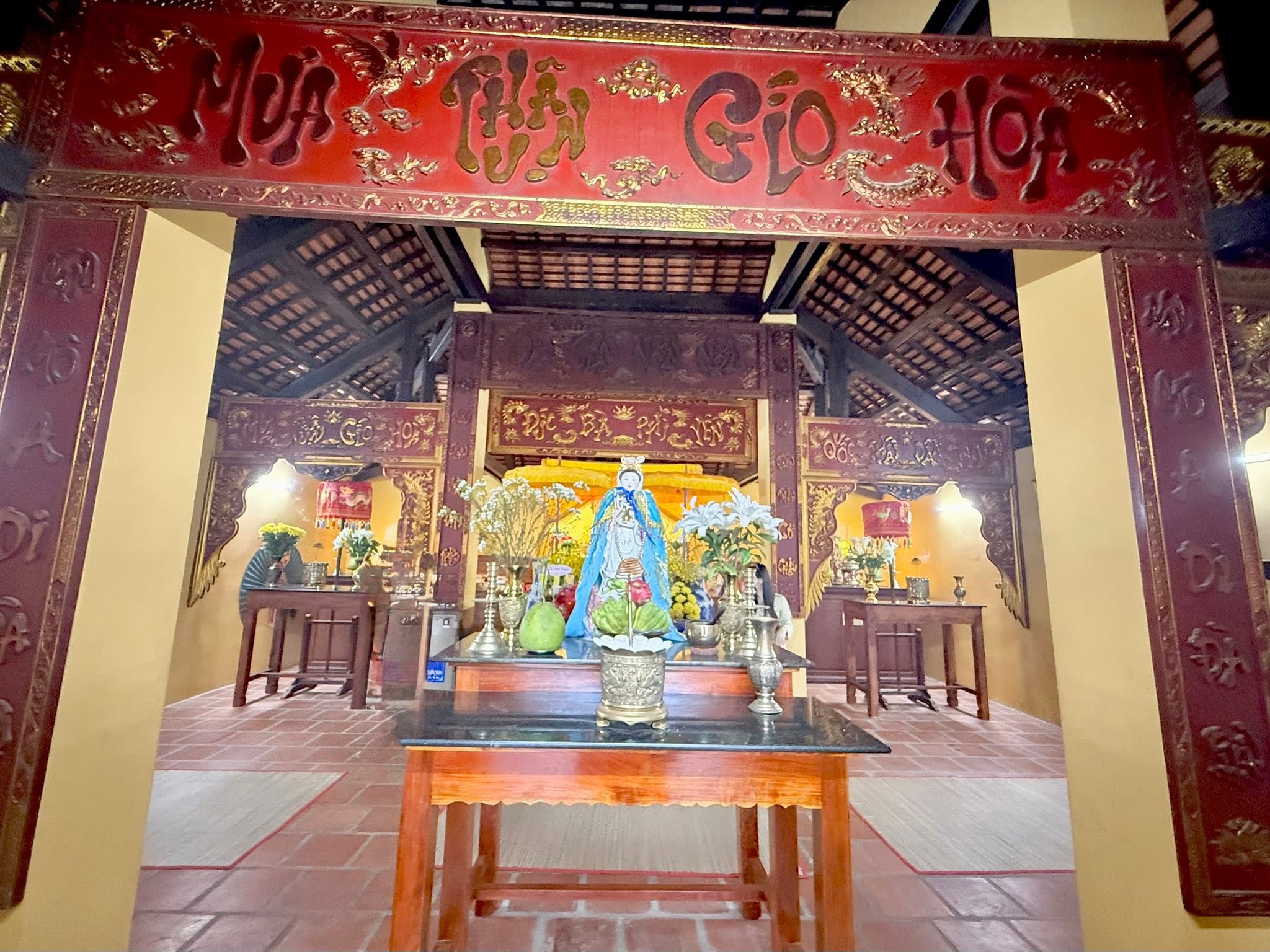
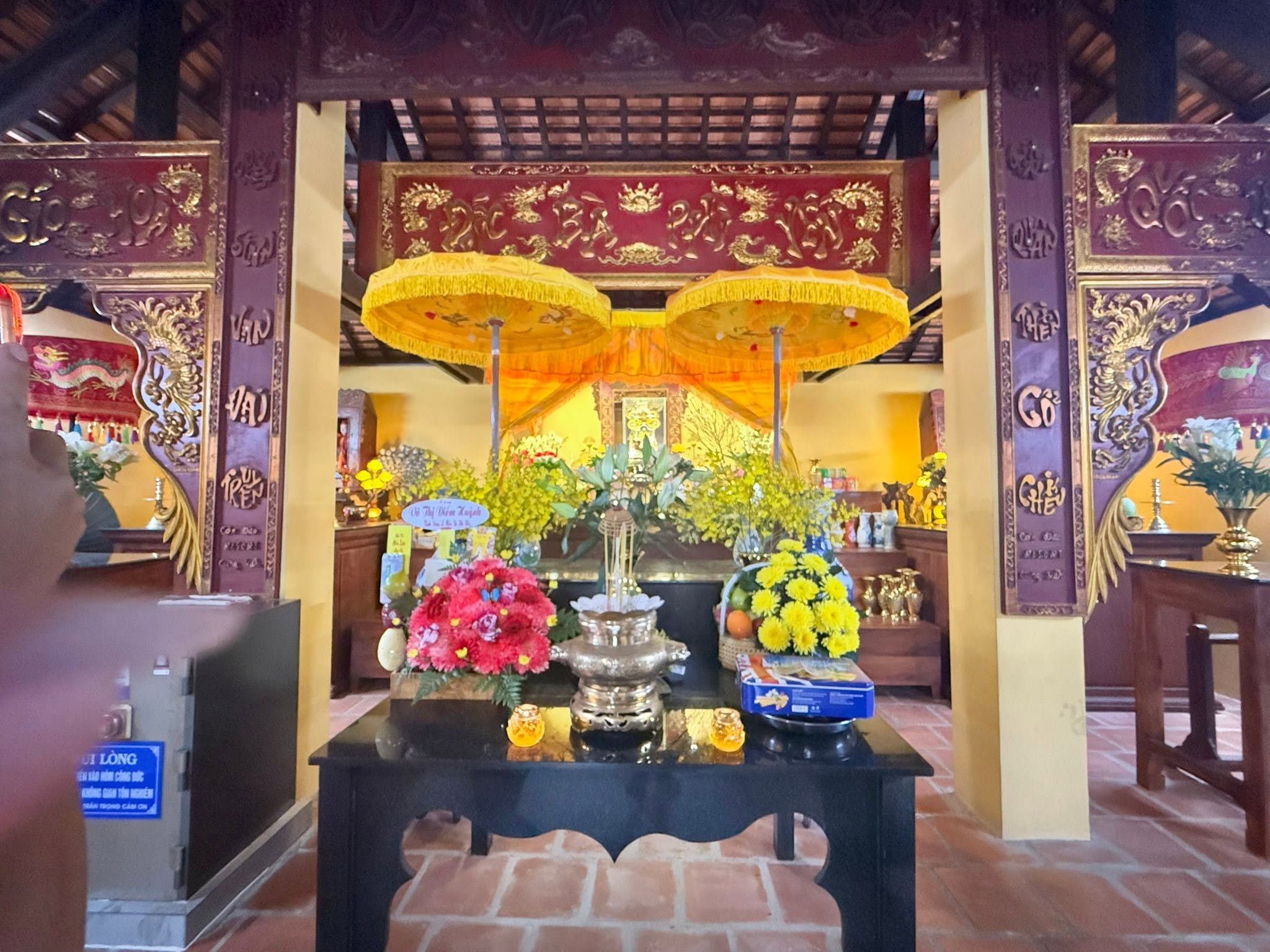
Inside the sanctuary, visitors can see altars and religious figures associated with local beliefs, including Lady Phi Yen and Prince Cai.

The architecture reflects the spiritual traditions of southern Vietnam, while the surrounding landscape creates a peaceful atmosphere for worship and contemplation.

On April 18, 2007, the People’s Committee of Ba Ria – Vung Tau Province officially recognized An Son Temple as a provincial-level historical and cultural relic under Decision No. 1442/QD-UBND.

Beyond its architectural value, An Son Temple represents the spiritual life of Con Dao’s coastal communities, where generations of residents have gathered to pray for peace, good health and prosperity.

The Legend of Lady Phi Yen and Prince Cai

According to local folklore, Lady Phi Yen, whose birth name is said to have been Le Thi Ram, was a secondary consort of Nguyen Phuc Anh.

The legend begins in 1783, when Nguyen Phuc Anh was reportedly fleeing the Tay Son forces and sought refuge on Con Dao Island with his family and followers.

During this period, he was said to be considering assistance from France to strengthen his military campaign against the Tay Son.

Lady Phi Yen allegedly advised him against relying on foreign powers in a domestic conflict, expressing concern that such intervention could have serious consequences for the country.

Angered by her advice, Nguyen Phuc Anh reportedly ordered her imprisonment in a cave on a smaller island, traditionally associated with what is now known as Hon Ba Island.

According to the legend, Lady Phi Yen was eventually rescued by two loyal animals, a white gibbon and a black tiger, which helped her escape and return to Co Ong village.

The story also recounts the tragic fate of Prince Cai, also known as Prince Hoi An, who was believed to be her young son.

When Nguyen Phuc Anh departed the island, the child reportedly cried for his mother. In a moment of anger, the ruler was said to have thrown the boy into the sea.

Local villagers later discovered the child’s body washed ashore at Co Ong Beach and buried him nearby.

Lady Phi Yen subsequently returned to the village to care for her son’s grave.

In 1785, during a religious ceremony organized by residents of An Hai village, the legend recounts that a man named Bien Thi attempted to assault her. Deeply distressed by the incident, Lady Phi Yen took her own life.

The villagers, moved by her suffering and the virtues attributed to her, established a shrine in her memory.

The story is traditionally associated with a well-known southern Vietnamese folk verse:

Gió đưa cây cải về trời,

Rau răm ở lại chịu lời đắng cay.

The verse symbolically refers to Prince Cai and Lady Phi Yen, whose name Ram is associated with Vietnamese coriander, known locally as rau ram.

Over time, the legend became an integral part of the island’s oral traditions and helped establish An Son Temple as a place of spiritual significance.

It is important to note that this account is a folk legend rather than a historically verified narrative. Several elements of the story have been challenged by researchers examining the genealogy of the Nguyen royal family and historical records from the eighteenth century.

The Historical Debate Surrounding Lady Phi Yen and Emperor Gia Long

Although the legend of Lady Phi Yen is widely shared through travel publications, local storytelling and cultural activities, its historical accuracy remains disputed.

Researchers have questioned whether Lady Phi Yen was genuinely a consort of Nguyen Phuc Anh and whether the future Emperor Gia Long ever visited Con Dao during his campaigns against the Tay Son.

Was Lady Phi Yen Really a Consort of Nguyen Phuc Anh?

According to Nguyen Phuc Toc The Pha, a genealogy of the Nguyen royal family published in 1995, Emperor Gia Long had 21 wives, 13 princes and 18 princesses.

However, the genealogy does not record a consort named Le Thi Ram or Phi Yen. Likewise, there is no documented prince named Cai or Hoi An matching the individual described in the legend.

Historical accounts identify Tong Thi Lan and Tran Thi Dang among Nguyen Phuc Anh’s consorts during the period when he was struggling to establish his political and military position.

Tong Thi Lan was the mother of Crown Prince Nguyen Phuc Canh, while Tran Thi Dang gave birth to Nguyen Phuc Dam, who later became Emperor Minh Mang.

The absence of Lady Phi Yen and Prince Cai from established royal genealogical records is one of the main reasons historians question the legend’s historical foundation.

Nevertheless, the lack of historical confirmation does not diminish the importance of the story as part of Con Dao’s cultural traditions.

Did Nguyen Phuc Anh Ever Visit Con Dao Island?

Another debated issue concerns the historical identification of an island called Con Lon.

Certain Nguyen Dynasty chronicles, including Dai Nam Thuc Luc, contain references to Nguyen Phuc Anh seeking refuge on an island identified as Con Lon in 1783 while escaping Tay Son forces.

However, some historians have argued that the location mentioned in these records may not correspond to present-day Con Dao Island.

In the early twentieth century, French historian Charles Maybon and subsequent researchers examined Nguyen Phuc Anh’s movements around the Gulf of Thailand.

One interpretation suggests that the island mentioned in the chronicles may have been confused with another location in the waters near Cambodia, rather than the Con Dao archipelago southeast of mainland Vietnam.

Supporters of this interpretation question whether Nguyen Phuc Anh possessed sufficient ships and military resources to reach Con Dao during the period of intense pursuit by Tay Son forces.

These arguments have contributed to continuing historical discussions about the accuracy of the island’s traditional narratives.

At a scholarly discussion held in Hue on April 26, 2022, representatives of the Nguyen royal family and historical researchers challenged the portrayal of Lady Phi Yen as Emperor Gia Long’s consort and questioned the story of Prince Cai.

The discussion emphasized the importance of distinguishing historical evidence from oral traditions and folk beliefs.

Who Was Originally Worshipped at An Son Temple?

Some cultural researchers have suggested that An Son Temple may have originated as a shrine dedicated to a female protective deity associated with coastal communities.

In southern Vietnamese folk religion, goddesses such as Ba Chua Ngoc, Ba Chua Tien and Thuy Long Thanh Phi have long been worshipped by fishing communities.

These deities are traditionally associated with maritime protection, favorable weather, safe voyages and community well-being.

Because the original shrine underwent substantial changes and was rebuilt in 1958, its earliest religious purpose cannot be established with certainty.

The historical identity of the temple’s original deity therefore remains an area for further research.

Despite the controversy surrounding the Lady Phi Yen legend, An Son Temple continues to hold significant cultural and spiritual value for Con Dao residents.

Its importance lies not only in the historical claims associated with the site but also in the preservation of local traditions, community identity and intangible cultural heritage.

An Son Temple Festival and Travel Guide to Con Dao

Every year, An Son Temple hosts a traditional festival commemorating Lady Phi Yen on the 18th day of the tenth lunar month.

The event, known locally as Le Gio Ba Phi Yen, is among Con Dao’s best-known cultural celebrations.

Festival activities typically take place over several days, with the main ceremonies held around the 16th to 18th days of the tenth lunar month.

Traditional activities may include incense offerings, memorial ceremonies, processions and cultural performances reflecting the island’s spiritual customs.

In 2022, the Lady Phi Yen Commemoration Festival was included in Vietnam’s national list of intangible cultural heritage. The recognition also prompted scholarly discussions regarding the distinction between the festival’s cultural significance and the disputed historical details of the legend.

Today, the festival continues to provide an opportunity for local communities and visitors to experience Con Dao’s traditional beliefs.

Visitor Information for An Son Temple

Information Details
Attraction An Son Temple
Alternative names Phi Yen Temple, An Son Mieu
Address Hoang Phi Yen Street, Area 3, Con Dao Special Zone, Ho Chi Minh City
Distance from central Con Dao Approximately 2 km
Suggested visiting hours 7:00 AM – 6:00 PM, subject to local arrangements
Main annual festival 18th day of the tenth lunar month
Heritage status Provincial-level historical and cultural relic

Visitors are encouraged to dress respectfully, maintain a peaceful atmosphere and follow local regulations when entering worship areas.

Photography should be conducted with consideration for worshippers and religious ceremonies.

Travelers visiting during the annual festival can also explore other nearby cultural and historical attractions, including Con Dao Museum, the Con Dao Prison historical complex, Hang Duong Cemetery and the island’s scenic beaches.

How to Get to An Son Temple by High-Speed Ferry

Travelers from mainland Vietnam can reach Con Dao by high-speed ferry from departure points such as Vung Tau and Tran De, depending on current service availability.

Ferries may arrive at Ben Dam Port or Con Dao Passenger Port, depending on the operator and the sailing schedule.

From the arrival port, visitors can take a taxi, electric vehicle or arranged transfer to their accommodation before exploring the island.

Since An Son Temple is located close to central Con Dao, it can easily be included in a half-day sightseeing itinerary covering the island’s most important historical and cultural landmarks.

Travelers can check available Con Dao ferry schedules through Taucaotoc.vn:

Vung Tau ↔ Con Dao
Date Vung Tau → Con Dao Con Dao → Vung Tau
01/11/2026 Sunday (Today) Not operating Not operating
02/11/2026 Monday (Tomorrow) Not operating Not operating
03/11/2026 Tuesday Not operating Not operating
04/11/2026 Wednesday Not operating Not operating
05/11/2026 Thursday Not operating Not operating
06/11/2026 Friday Not operating Not operating
07/11/2026 Saturday Not operating Not operating
08/11/2026 Sunday Not operating Not operating
Ho Chi Minh City ↔ Con Dao
Date Ho Chi Minh City → Con Dao Con Dao → Ho Chi Minh City
01/11/2026 Sunday (Today) Not operating Not operating
02/11/2026 Monday (Tomorrow) Not operating Not operating
03/11/2026 Tuesday Not operating Not operating
04/11/2026 Wednesday Not operating Not operating
05/11/2026 Thursday Not operating Not operating
06/11/2026 Friday Not operating Not operating
07/11/2026 Saturday Not operating Not operating
08/11/2026 Sunday Not operating Not operating
Tran De ↔ Con Dao
Date Tran De → Con Dao Con Dao → Tran De
01/11/2026 Sunday (Today) Not operating 14:30
02/11/2026 Monday (Tomorrow) 08:00 - Superdong 13:00 - Supedong
03/11/2026 Tuesday 08:00 - Superdong 13:00 - Supedong
04/11/2026 Wednesday 08:00 - Superdong 13:00 - Supedong
05/11/2026 Thursday 08:00 - Superdong 13:00 - Supedong
06/11/2026 Friday 08:00 - Superdong 13:00 - Supedong
07/11/2026 Saturday 09:30 Not operating
08/11/2026 Sunday Not operating 13:30

Ferry routes, departure times and port assignments may change due to weather conditions and operational arrangements. Passengers should confirm their sailing details before departure.

An Son Temple is more than a place of worship. It represents the interaction between traditional folklore, religious customs and historical interpretation in one of Vietnam’s most distinctive island communities.

For international visitors, understanding the legend of Lady Phi Yen alongside the historical debate surrounding it provides a richer perspective on Con Dao’s cultural heritage.

Whether visiting for spiritual reflection, cultural exploration or historical interest, An Son Temple offers a meaningful addition to any Con Dao travel itinerary.

Con Dao Ferry Tickets and Travel Information

For updated high-speed ferry schedules, ticket information and travel guidance, visit https://taucaotoc.vn/.

Con Dao Passenger Port: Location, Ferry Services and Travel Guide

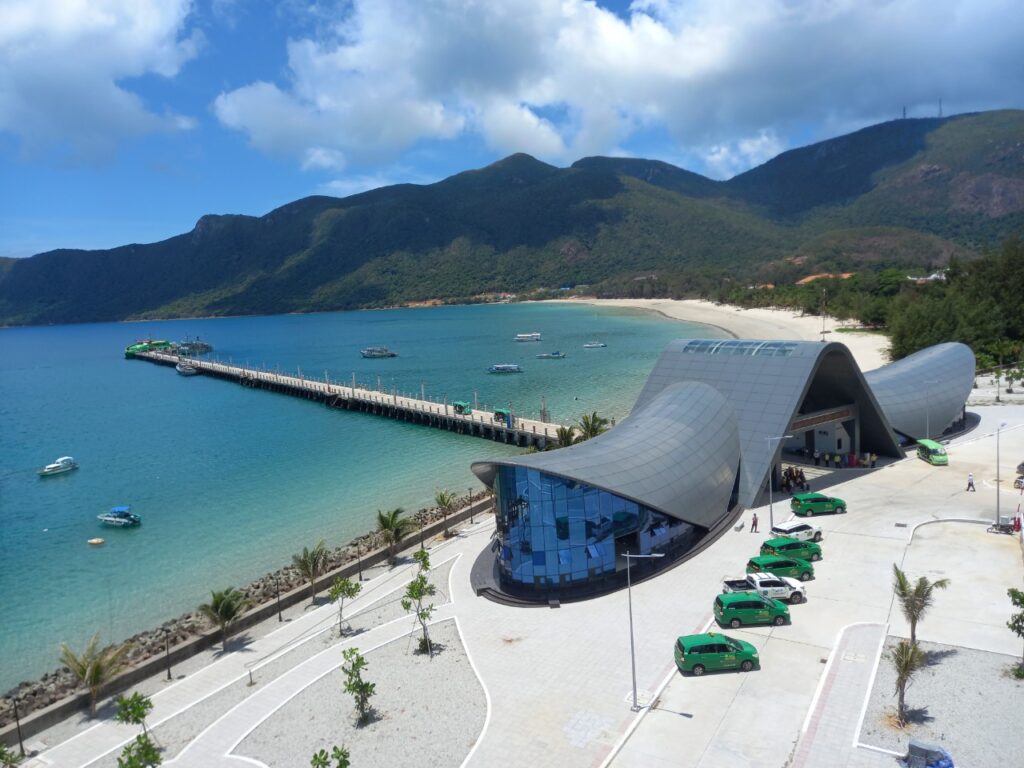
Con Dao Passenger Port, also known as Con Dao Passenger Ferry Terminal, is a modern maritime facility located in the heart of Con Dao Island, southern Vietnam. Situated along Ton Duc Thang Street overlooking the beautiful Con Son Bay, the port provides convenient access between the island and mainland Vietnam.

Officially inaugurated on July 20, 2023, Con Dao Passenger Port was developed to improve maritime transportation infrastructure, reduce pressure on Ben Dam Port and provide a more convenient arrival point for visitors traveling to Con Dao by sea.

Its central location makes it particularly attractive to travelers, as many hotels, restaurants, historical landmarks and tourist services are located nearby.

Where Is Con Dao Passenger Port?

Con Dao Passenger Port is situated on Ton Duc Thang Street, Area 5, Con Dao Special Zone, Ho Chi Minh City, Vietnam.

Before Vietnam’s administrative reorganization in July 2025, Con Dao was part of Ba Ria – Vung Tau Province.

The passenger terminal is located along the coastline of Con Son Bay, one of the island’s most scenic waterfront areas.

From the port, travelers can conveniently reach several popular destinations, including Con Dao Market, the Con Dao Museum, the historic Con Dao Prison complex and Hang Duong Cemetery.

The terminal is approximately 1.2 kilometers from Con Dao Market and around 550 meters from the historic Island Governor’s Palace.

Unlike Ben Dam Port, which is located approximately 12 kilometers from the town center, Con Dao Passenger Port provides direct access to the island’s main residential and tourism area.

Port information

Information Details
Official name Con Dao Passenger Port
Vietnamese name Cảng tàu khách Côn Đảo
Location Ton Duc Thang Street, Con Dao
Administrative area Con Dao Special Zone, Ho Chi Minh City
Inauguration date July 20, 2023
Main purpose Passenger ferry transportation
Nearby port Ben Dam Port, approximately 12 km away

Facilities and Infrastructure at Con Dao Passenger Port

Con Dao Passenger Port represents an important investment in the island’s maritime transportation infrastructure.

Developed with an investment of approximately VND 158 billion, the project was designed to accommodate passenger vessels while improving comfort, safety and accessibility.

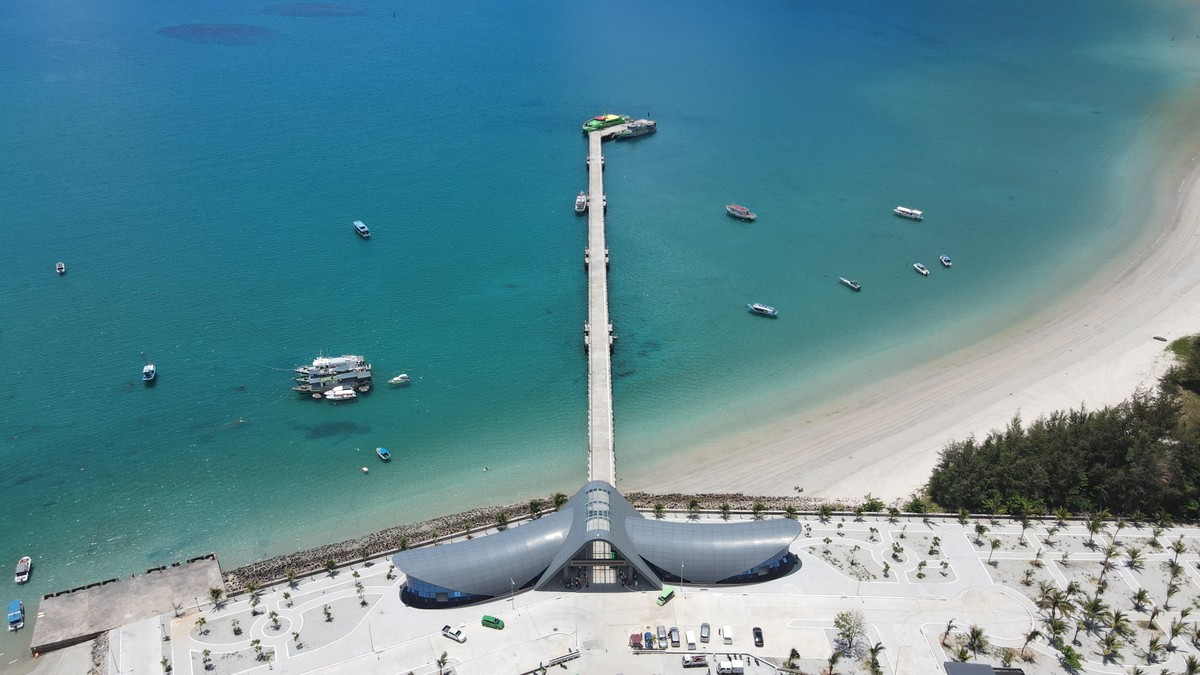
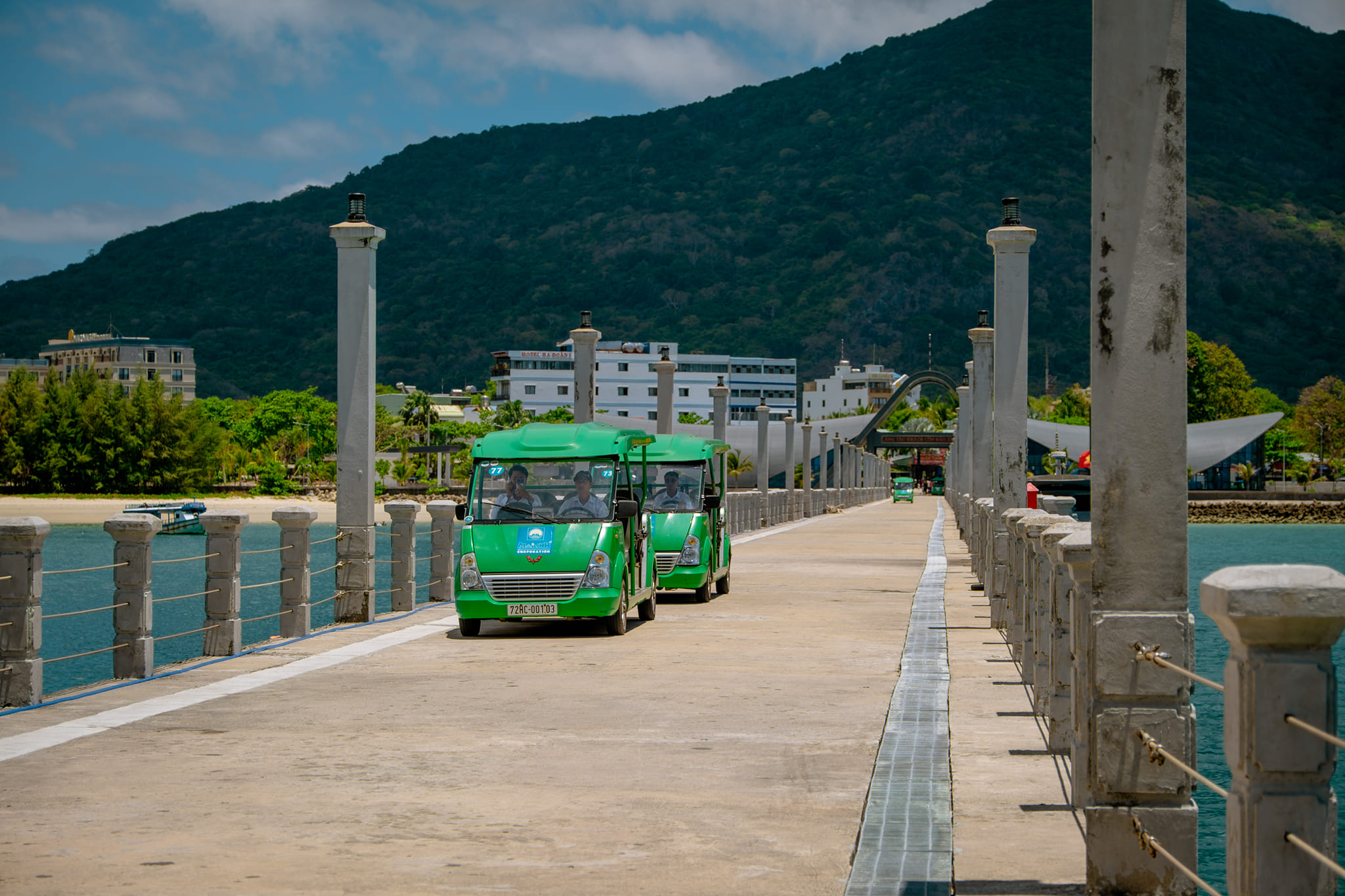
The facility includes a 370-meter access bridge connecting the mainland to a 50-meter-long passenger pier. The pier is approximately 12 meters wide and was designed to accommodate passenger vessels carrying around 300 people.

The port also features a passenger terminal covering approximately 535 square meters, an administrative building and supporting infrastructure for maritime operations.

One of the port’s most recognizable features is its contemporary architectural design, with curved roof structures that complement the coastal landscape.

Located within the relatively sheltered waters of Con Son Bay, the terminal benefits from natural geographical protection. Nevertheless, ferry operations remain subject to weather conditions, sea conditions and port authority instructions.

The development of Con Dao Passenger Port has contributed to improving the island’s transportation network and supporting the continued growth of tourism.

Ferry Services at Con Dao Passenger Port

Con Dao Passenger Port has served passenger vessels operating between Con Dao and the mainland, particularly the Tran De – Con Dao route.

Tran De – Con Dao High-Speed Ferry

The Tran De – Con Dao ferry route is an important maritime connection between the Mekong Delta and Con Dao Island.

Tran De Port, located in the former Soc Trang Province and now within Can Tho City, provides a convenient departure point for travelers from southern Vietnam.

Superdong has operated this route using vessels such as Superdong Con Dao I and Superdong Con Dao II, with a typical journey time of approximately 2 hours and 15 minutes to 2 hours and 30 minutes.

However, passengers should be aware that ferry arrival and departure terminals can change.

Important port update for 2026: Superdong services have been temporarily using Ben Dam Port instead of the central Con Dao Passenger Port. Travelers must confirm the exact terminal stated on their tickets before departure.

Other high-speed ferry services connecting Vung Tau, Tran De and Ho Chi Minh City with Con Dao generally use Ben Dam Port, depending on the vessel and the operator’s arrangements.

Check Con Dao Ferry Schedules

Travelers can check updated ferry information for the Tran De – Con Dao route through Taucaotoc.vn.

Date Tran De → Con Dao Con Dao → Tran De
01/11/2026 Sunday (Today) Not operating 14:30
02/11/2026 Monday (Tomorrow) 08:00 - Superdong 13:00 - Supedong
03/11/2026 Tuesday 08:00 - Superdong 13:00 - Supedong
04/11/2026 Wednesday 08:00 - Superdong 13:00 - Supedong
05/11/2026 Thursday 08:00 - Superdong 13:00 - Supedong
06/11/2026 Friday 08:00 - Superdong 13:00 - Supedong
07/11/2026 Saturday 09:30 Not operating
08/11/2026 Sunday Not operating 13:30
09/11/2026 Monday 08:00 - Superdong 13:00 - Supedong
10/11/2026 Tuesday 08:00 - Superdong 13:00 - Supedong
11/11/2026 Wednesday 08:00 - Superdong 13:00 - Supedong
12/11/2026 Thursday 08:00 - Superdong 13:00 - Supedong
13/11/2026 Friday 08:00 - Superdong 13:00 - Supedong
14/11/2026 Saturday 07:00 Not operating
15/11/2026 Sunday Not operating 13:30
16/11/2026 Monday 08:00 - Superdong 13:00 - Supedong
17/11/2026 Tuesday 08:00 - Superdong 13:00 - Supedong
18/11/2026 Wednesday 08:00 - Superdong 13:00 - Supedong
19/11/2026 Thursday 08:00 - Superdong 13:00 - Supedong
20/11/2026 Friday 08:00 - Superdong 13:00 - Supedong
21/11/2026 Saturday 08:00 Not operating
22/11/2026 Sunday Not operating 13:30
23/11/2026 Monday 08:00 - Superdong 13:00 - Supedong
24/11/2026 Tuesday 08:00 - Superdong 13:00 - Supedong
25/11/2026 Wednesday 08:00 - Superdong 13:00 - Supedong
26/11/2026 Thursday 08:00 - Superdong 13:00 - Supedong
27/11/2026 Friday 08:00 - Superdong 13:00 - Supedong
28/11/2026 Saturday 07:00 Not operating
29/11/2026 Sunday Not operating 13:30
30/11/2026 Monday 08:00 - Superdong 13:00 - Supedong
01/12/2026 Tuesday 08:00 - Superdong 13:00 - Supedong

Ferry departure times, vessel assignments and terminal locations may change due to weather conditions, maintenance or operational requirements. Always verify the boarding port before traveling.

Con Dao Passenger Port vs. Ben Dam Port

Visitors should understand the difference between Con Dao Passenger Port and Ben Dam Port, as both facilities serve maritime transportation on Con Dao Island.

Feature Con Dao Passenger Port Ben Dam Port
Location Central Con Dao Ben Dam Bay
Distance from town center Within the central area Approximately 12 km
Main function Passenger ferry terminal Major maritime and passenger port
Typical associated services Superdong, subject to changes Thang Long and other large ferries
Travel convenience Close to hotels and attractions Requires a road transfer

Con Dao Passenger Port is especially convenient for passengers staying near the island’s central waterfront.

Ben Dam Port, meanwhile, serves larger vessels and remains an important gateway for travelers arriving from mainland ferry routes.

Because the two ports are located in different parts of the island, arriving at the wrong terminal may cause passengers to miss their ferry.

How to Get to Con Dao Passenger Port

Getting to Con Dao Passenger Port is relatively easy when staying in central Con Dao.

Visitors can walk from nearby hotels, take a taxi or arrange transportation through their accommodation provider.

From Con Dao Market, the port is approximately 1.2 kilometers away. The journey usually takes only a few minutes by car or motorbike, while walking is practical for travelers with light luggage.

Passengers arriving at Con Dao Airport can arrange a taxi or hotel transfer to their accommodation before traveling to the ferry terminal.

For departures from Ben Dam Port, additional transfer time should be allowed because the port is considerably farther from the town center.

Travelers are advised to arrive at their confirmed departure terminal at least 45–60 minutes before the scheduled sailing, or earlier if required by the ferry operator.

Travel Tips for Ferry Passengers

Before boarding a ferry to or from Con Dao, passengers should check their ticket details carefully, including the vessel name, ferry operator, travel date, departure time and designated boarding terminal.

A valid passport or other identification accepted by the carrier may be required during check-in. International visitors should ensure their identification details match those provided when booking.

Ferry schedules can be affected by rough seas, particularly during periods of unfavorable weather. Passengers are encouraged to check updates before leaving their hotel and to allow flexibility in their travel arrangements.

Advance booking is recommended during weekends, public holidays and peak tourism seasons.

For travelers who are sensitive to seasickness, choosing a suitable seat and preparing appropriate motion-sickness precautions may help make the journey more comfortable.

Frequently Asked Questions

Where is Con Dao Passenger Port located?

Con Dao Passenger Port is located on Ton Duc Thang Street in the central area of Con Dao Island, Ho Chi Minh City, Vietnam.

Is Con Dao Passenger Port the same as Ben Dam Port?

No. Con Dao Passenger Port is located near the island’s town center, while Ben Dam Port is approximately 12 kilometers away. The two terminals are separate facilities.

Which ferry operates at Con Dao Passenger Port?

The port has historically served Superdong ferries operating between Tran De and Con Dao. However, Superdong services have temporarily used Ben Dam Port during certain operating periods. Passengers should confirm the current terminal.

How far is Con Dao Passenger Port from the town center?

The port is located in central Con Dao, approximately 1.2 kilometers from Con Dao Market.

Can international tourists book ferry tickets to Con Dao online?

Yes. International travelers can check ferry routes and submit booking requests through ferry ticket platforms, including Taucaotoc.vn. Ticket confirmation depends on actual service availability.

Book High-Speed Ferry Tickets to Con Dao Island

Con Dao Island is one of Vietnam’s most distinctive destinations, known for its beautiful beaches, protected natural landscapes, historical heritage and peaceful atmosphere.

Whether traveling from Tran De, Vung Tau or Ho Chi Minh City, choosing the correct ferry route and arrival terminal is essential for a smooth journey.

Taucaotoc.vn provides information on high-speed ferry routes, sailing schedules, ticket prices and booking procedures, helping domestic and international travelers plan their journeys more conveniently.

For ferry schedules and ticket booking information, visit:

Website: https://taucaotoc.vn/

Con Dao ferry information: https://vetaucondao.vn/

Last updated: October 2026. Ferry routes, port assignments and departure schedules are subject to operational changes. Please confirm all travel information before departure.

Taxi


Mai Linh Express

Đây là công trình có ý nghĩa quan trọng trong việc phát triển du lịch, dịch vụ hàng hải, vận tải hành khách, nhằm thúc đẩy phát triển kinh tế – xã hội; góp phần bảo đảm quốc phòng an ninh, tạo thêm nguồn lực mới cho Côn Đảo.

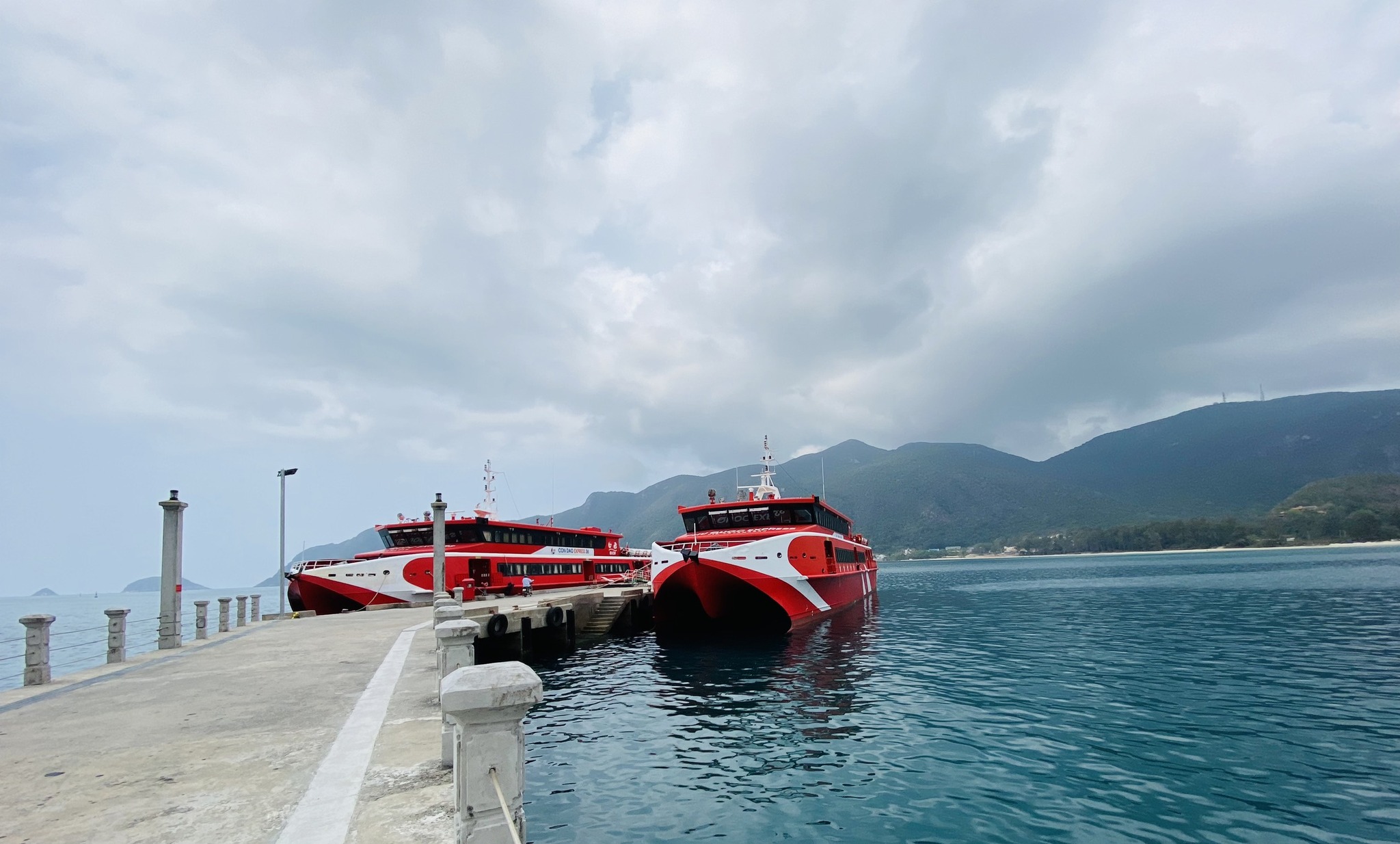
Con Dao Express ferry