



 Tiếng Việt
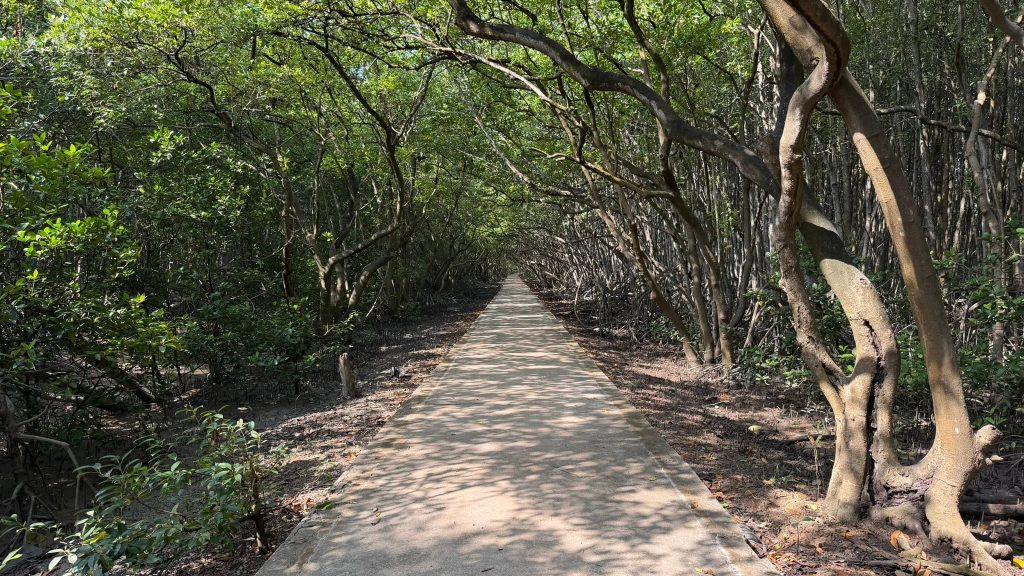
Rung Sac Forest Can Gio, also known as Sac Forest, is one of the most remarkable natural and historical destinations in Ho Chi Minh City, Vietnam. Located within the extensive mangrove ecosystem of Can Gio, this unique coastal forest is famous for its lush mangrove trees, diverse wildlife, winding waterways, and its important role in Vietnam’s wartime history.
Today, Rung Sac Forest attracts visitors interested in ecotourism, wildlife exploration, environmental conservation, and the history of the Rung Sac Special Forces during the Vietnam War.
The forest is part of the Can Gio Mangrove Biosphere Reserve, officially recognized by UNESCO in 2000 as Vietnam’s first biosphere reserve within the World Network of Biosphere Reserves.
Once severely damaged by warfare and chemical defoliants, the mangrove forests of Can Gio have undergone decades of restoration, becoming an outstanding example of ecosystem recovery.
Often described as the green lungs of Ho Chi Minh City, the Can Gio mangrove forests play an important role in protecting coastal environments, supporting biodiversity, and maintaining the ecological balance of southern Vietnam.
For international travelers visiting Ho Chi Minh City, a trip to Rung Sac Forest offers an opportunity to discover a different side of the region, far from its busy streets and urban attractions.
Where Is Rung Sac Forest Can Gio? History and Ecological Significance
Rung Sac Forest is located in Can Gio, a coastal area in the southeastern part of Ho Chi Minh City, approximately 50–60 kilometers from the city center, depending on the departure point and specific attraction.
The area is characterized by extensive mangrove forests, tidal rivers, narrow creeks, muddy wetlands, and coastal ecosystems influenced by the interaction of freshwater and seawater.
These natural conditions create a distinctive environment where salt-tolerant plants, aquatic animals, birds, and other wildlife thrive.
The name Rung Sac historically refers to the extensive mangrove forests that once covered large coastal areas of southeastern Vietnam.
Today, the term is commonly associated with the mangrove ecosystems of Can Gio and the historic military sites connected with the Rung Sac Special Forces.
Can Gio Mangrove Biosphere Reserve
The Can Gio Mangrove Biosphere Reserve covers approximately 75,740 hectares, including core conservation areas, buffer zones, and transition areas where local communities live and undertake economic activities.
The reserve is not entirely covered by trees. It also includes rivers, wetlands, waterways, coastal habitats, and areas supporting local livelihoods.
Its vegetation includes several important mangrove species, particularly Rhizophora mangroves, locally known as duoc, alongside Avicennia, Sonneratia, Bruguiera, and other salt-tolerant plants.
Mangrove trees are especially important because their complex root systems stabilize coastal sediments, reduce erosion, and provide habitats for numerous aquatic species.
The tangled roots extending through muddy coastal waters create nurseries and feeding grounds for fish, crabs, shrimp, and other marine organisms.
Can Gio’s mangrove ecosystem is also home to waterbirds, reptiles, mammals, and a wide variety of invertebrates.
Beyond supporting biodiversity, mangrove forests help store carbon, protect coastlines from waves, and sustain fishing activities that support local communities.
The reserve has become an important destination for environmental education, scientific research, biodiversity conservation, and sustainable tourism.
Rung Sac Forest During the Vietnam War
Rung Sac Forest is not only a natural treasure but also an important historical site associated with the Vietnam War.
Its dense mangrove vegetation, complex river systems, and difficult terrain made the area a strategic location for military operations.
During the war, Vietnamese revolutionary forces used the forest as a base for activities along waterways connecting Saigon with the surrounding coastal region.
In 1966, the Rung Sac Special Forces, commonly associated with Unit 10 (Doan 10), were organized to conduct military operations in this strategically important area.
The soldiers faced extremely difficult living conditions, including limited freshwater supplies, food shortages, disease, insects, and the constant danger of military attacks.
Despite these challenges, they used the forest’s intricate network of waterways to move discreetly and carry out operations against military transportation routes and logistical facilities.
Some of the most notable operations associated with the Rung Sac Special Forces targeted military supply movements and fuel installations around the Nha Be area.
These activities became an important part of the history of warfare in southern Vietnam’s riverine and coastal environments.
Many soldiers lost their lives during these operations, and the forest remains a place of remembrance for their sacrifices.
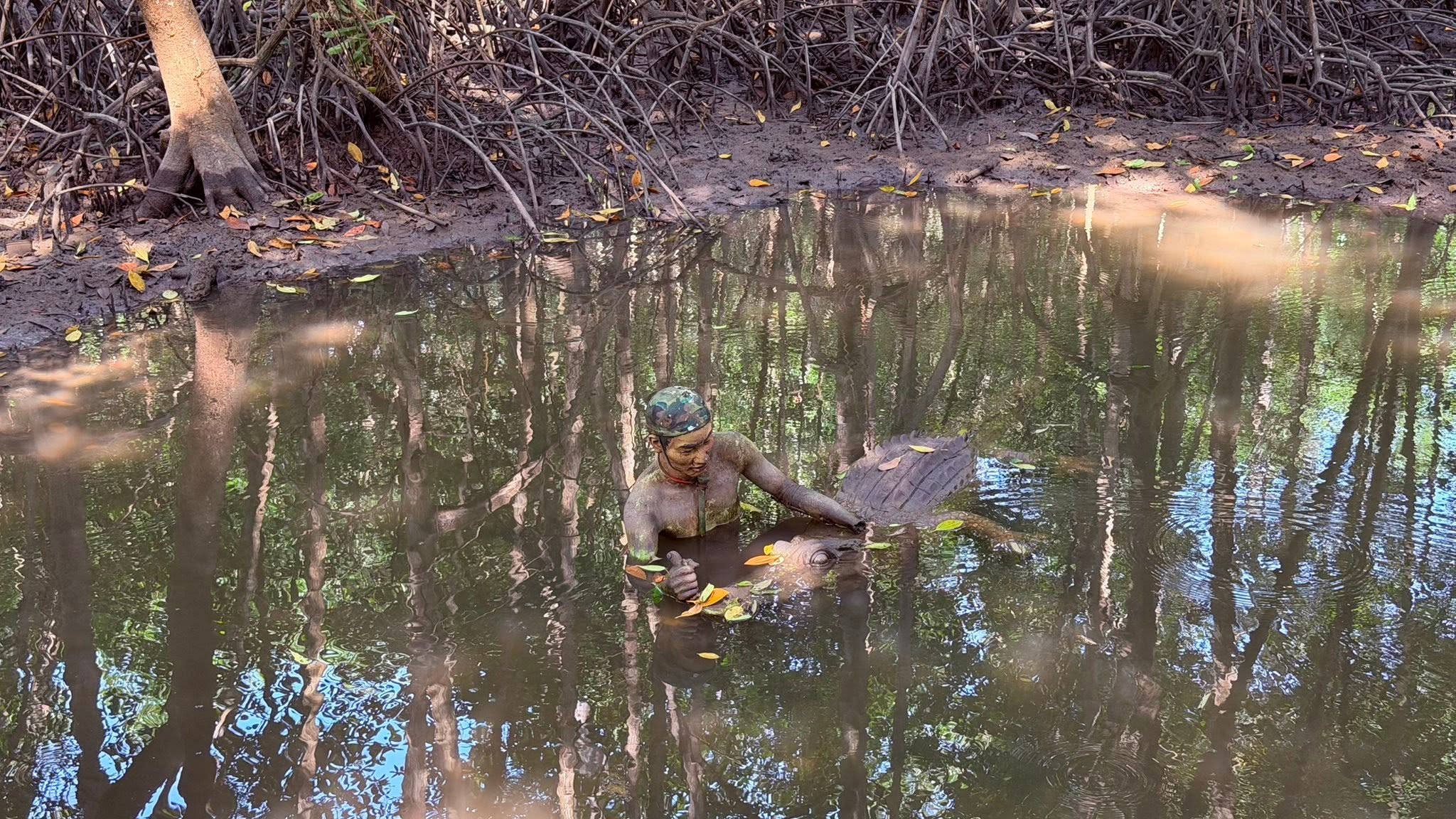
Today, historical exhibits and reconstructed facilities help visitors understand the challenging conditions faced by the soldiers who operated in the mangrove forest.
Restoration of Can Gio Mangrove Forest After the War
During the Vietnam War, extensive areas of mangrove forest in Can Gio were destroyed by chemical defoliants, bombing, and other military activities.
Large sections of vegetation disappeared, leaving behind degraded wetlands and severely damaged ecosystems.
After the war ended in 1975, major efforts were undertaken to restore the mangrove forests.
Beginning in the late 1970s, restoration programs introduced large-scale mangrove planting and forest rehabilitation activities.
Millions of mangrove seedlings were planted, particularly species suited to the area’s saline and tidal environment.
Scientists, conservation workers, forest management organizations, and local communities contributed to the long-term restoration process.
Over several decades, mangrove vegetation gradually recovered, providing habitats for wildlife and improving coastal environmental conditions.
In 2000, UNESCO’s recognition of the Can Gio Mangrove Biosphere Reserve marked an important milestone in the area’s conservation history.
Today, Can Gio is widely recognized as an example of mangrove ecosystem restoration and the importance of long-term environmental protection.
Things to Do in Rung Sac Forest Can Gio
Rung Sac Forest offers a variety of experiences combining nature, history, outdoor activities, and environmental education.
Unlike conventional beach destinations, exploring Rung Sac focuses on understanding mangrove habitats, traveling along forest waterways, discovering wildlife, and visiting historical sites.
Visit the Rung Sac Historical War Zone
The Rung Sac Historical War Zone is one of the most important attractions for visitors interested in Vietnam’s wartime history.
Located within the Can Gio mangrove area, the site features historical displays and reconstructed facilities illustrating the activities of the Rung Sac Special Forces.
Visitors can explore exhibits representing military shelters, living quarters, operational areas, and other facilities associated with the soldiers’ wartime experiences.
These reconstructions provide insight into the difficulties of living and conducting operations in a dense mangrove environment.
Walking through the forest and visiting the historical displays allows travelers to better understand the geographical conditions that shaped military activities in the region.
Some exhibits recreate historical settings rather than preserving original structures in their exact wartime locations.
For students, history enthusiasts, and international visitors interested in the Vietnam War, the site offers a valuable opportunity to learn about a lesser-known chapter of the conflict.
Explore Vam Sat Ecotourism Area
Vam Sat Ecotourism Area is one of the best-known destinations within the Can Gio Mangrove Biosphere Reserve.
The area offers opportunities to explore mangrove forests, observe wildlife, travel along rivers, and discover the natural environment of southern Vietnam.
A particularly interesting attraction is the Tang Bong Observation Tower, which provides panoramic views across the surrounding mangrove forests.
From above, visitors can admire expansive green vegetation interrupted by winding rivers, narrow creeks, and coastal wetlands.
Depending on the available tour program and seasonal conditions, visitors may also explore wildlife observation areas, including habitats associated with fruit bats, waterbirds, and crocodiles.
Boat excursions are among the most memorable activities at Vam Sat.
Traveling through narrow waterways surrounded by mangrove trees provides a closer look at the forest’s distinctive ecosystem.
The exposed roots, muddy riverbanks, and dense vegetation create a landscape rarely encountered in conventional urban tourism.
Visitors should check the availability of specific activities before arriving because certain wildlife observation programs and conservation areas may have seasonal or operational restrictions.
Discover Monkey Island in Can Gio
Monkey Island, located within the Can Gio forest tourism area, is another popular attraction for visitors exploring Rung Sac.
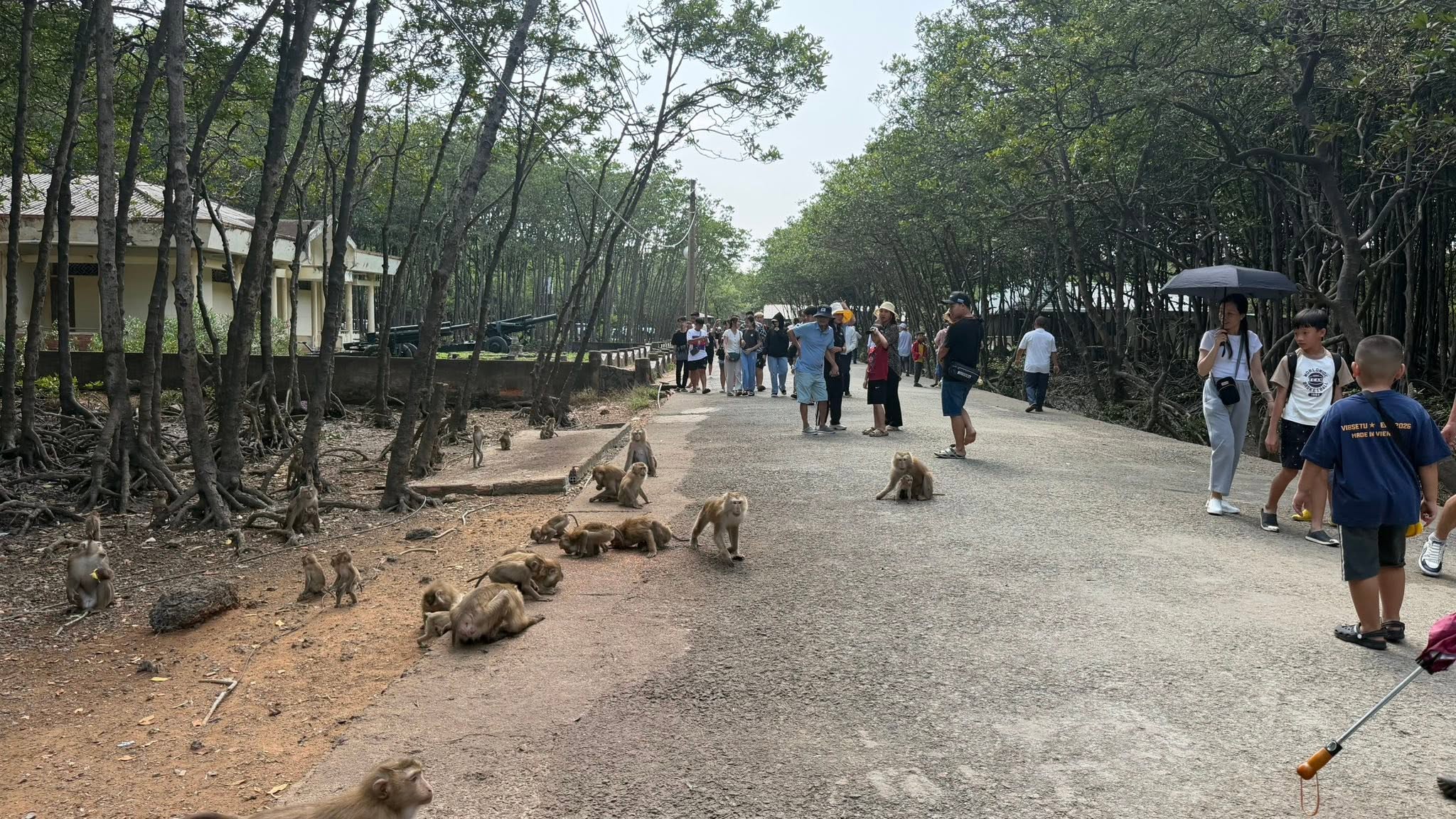
The site is known for its population of monkeys living among the forest vegetation and tourist pathways.
Visitors may observe monkeys climbing trees, moving through the forest, or gathering near walking routes.
Although the animals may appear accustomed to human presence, they remain wild and can behave unpredictably.
Tourists should avoid feeding, teasing, or approaching monkeys too closely.
Personal belongings such as sunglasses, mobile phones, bags, and loose items should be kept secure, as monkeys may attempt to grab them.
Monkey Island is often included in excursions that combine wildlife encounters with visits to the Rung Sac historical exhibits.
Experience the Dan Xay Ecotourism Site
Dan Xay Ecotourism Site is an attractive option for travelers interested in learning about mangrove forests in a peaceful natural setting.
The area offers opportunities to explore forest habitats, observe typical mangrove vegetation, and understand the importance of ecological conservation.
Depending on the available programs, visitors may enjoy nature walks, environmental education activities, and experiences introducing the management and restoration of Can Gio’s forests.
For families with children, school groups, and travelers seeking a quieter ecological experience, Dan Xay can be a worthwhile destination.
Its educational focus also makes it suitable for visitors interested in climate change, coastal conservation, and sustainable environmental management.
Explore the Mangrove Waterways and Wildlife
One of the most distinctive experiences in Rung Sac Forest is discovering the network of rivers and tidal creeks running through the mangrove landscape.
The forest environment changes throughout the day as water levels rise and fall with the tides.
At low tide, muddy riverbanks become exposed, revealing the intricate root systems of mangrove trees and the habitats of small aquatic animals.
Depending on the location and season, visitors may observe crabs, fish, waterbirds, and other species adapted to brackish-water environments.
The area is especially appealing to photographers interested in landscapes, wildlife, and the relationship between forests and waterways.
Images of wooden boats traveling along narrow creeks, sunlight filtering through mangrove canopies, and exposed roots rising from muddy water capture the character of Can Gio’s natural environment.
Wildlife sightings are never guaranteed, and visitors should observe animals responsibly without disturbing their habitats.
How to Visit Rung Sac Forest Can Gio: Transportation and Travel Tips
How to Get to Rung Sac Forest from Ho Chi Minh City
Travelers departing from central Ho Chi Minh City can head toward the Nha Be area and continue to Can Gio.
A commonly used route involves crossing the Soai Rap River via the Binh Khanh Ferry and following Rung Sac Road toward the main attractions of Can Gio.
Rung Sac Road is an important transportation route connecting the Binh Khanh area with coastal Can Gio.
The road passes through landscapes characterized by mangrove vegetation, waterways, and scattered residential areas.
Visitors can travel by motorcycle, private car, taxi, or organized tour transportation.
Some attractions located deeper within the mangrove forest, particularly Vam Sat, may require additional boat or transfer services arranged by the tourism operator.
An important detail is that Rung Sac Forest is not a single attraction with one main entrance.
The biosphere reserve covers a large area, while destinations such as Vam Sat, Monkey Island, Dan Xay, and the historical war zone have different access routes and visitor arrangements.
Travelers should therefore confirm their intended destination before departure.
Best Time to Visit Rung Sac Forest
Can Gio has a tropical climate with relatively distinct dry and rainy seasons.
Dry days are generally more convenient for outdoor activities, forest walks, photography, and boat excursions.
During the rainy season, the forest becomes especially lush, although heavy rainfall may affect certain walking trails, boat services, and outdoor activities.
Tidal conditions can also influence access to particular locations and the appearance of the surrounding landscape.
Some wildlife observation experiences are seasonal, so travelers interested in birds or other animals should check the most suitable visiting periods with local tourism providers.
Rung Sac Forest Entrance Fees
There is no single admission ticket covering the entire Can Gio Mangrove Biosphere Reserve.
Entrance fees depend on the specific destination and activities selected.
Individual attractions may charge separately for admission, transportation, boat excursions, guides, or wildlife experiences.
At Vam Sat, visitors may find individual activities as well as combined sightseeing packages.
Prices can change depending on the operator, service arrangements, and travel period.
For accurate information, travelers should confirm current rates directly with the attraction or tour provider before visiting.
Suggested One-Day Rung Sac Forest Itinerary
A one-day trip from Ho Chi Minh City is suitable for travelers who want an introduction to Can Gio’s history and natural environment.
Morning: Depart from central Ho Chi Minh City and travel toward Can Gio. Visit the Rung Sac Historical War Zone to learn about the special forces and wartime history associated with the mangrove forest.
Explore nearby walking paths and take time to observe the distinctive vegetation and natural surroundings.
Midday: Enjoy lunch at a local restaurant, where visitors can try traditional southern Vietnamese dishes or fresh seafood.
Afternoon: Depending on the available time and transportation arrangements, visit an ecological destination such as Dan Xay or Vam Sat.
A visit to Vam Sat may require considerably more time, particularly when including boat excursions and wildlife observation activities.
For this reason, travelers should avoid trying to visit every attraction in one day.
Those especially interested in the Vam Sat mangrove ecosystem may prefer dedicating most of their day to that destination.
What to Bring When Visiting Rung Sac Forest
Visitors should prepare comfortable clothing suitable for outdoor activities.
Lightweight clothing, a hat, sunscreen, drinking water, and comfortable walking shoes are useful during forest excursions.
Insect repellent is recommended in areas where mosquitoes and other insects are present.
For boat or canoe trips, passengers should wear properly fitted life jackets and follow the instructions of the service operator.
Travelers should avoid walking into restricted forest areas, entering deep mudflats without guidance, or approaching wild animals.
Protecting the natural environment is essential.
Visitors should not litter, damage mangrove plants, remove wildlife, or disturb animals with excessive noise.
Is Rung Sac Forest Suitable for Families with Children?
Rung Sac Forest can be an interesting destination for families, school groups, and educational tours.
Children can learn about mangrove ecosystems, wildlife, coastal conservation, and the history of southern Vietnam.
However, adults should supervise children closely around waterways, elevated walkways, and areas where wild animals are present.
Activities involving boats or canoes should follow all applicable safety requirements, including the use of appropriately sized life jackets.
Families should choose destinations and activities suitable for the age and mobility of their children.
Is Rung Sac Forest the Same as Can Gio Mangrove Forest?
The two names are closely related but are not identical in every context.
Rung Sac is a historical geographical name associated with the mangrove forests and wartime riverine landscape of southeastern Vietnam.
The Can Gio Mangrove Biosphere Reserve is a formally designated conservation area recognized by UNESCO.
In modern tourism, the name Rung Sac Forest Can Gio commonly refers to attractions within the Can Gio mangrove landscape, especially historical sites and ecological tourism destinations.
Understanding this distinction helps travelers identify the most suitable places to visit.
Why Is Rung Sac Forest Important?
Rung Sac Forest is significant for several reasons.
Its mangrove ecosystems protect coastal environments, support biodiversity, store carbon, and provide breeding habitats for aquatic species.
The forest also preserves memories of wartime operations and the sacrifices of those who lived and fought in its difficult environment.
Perhaps most importantly, its recovery from extensive wartime destruction demonstrates the value of sustained conservation and ecological restoration.
Today, the forest represents the connection between environmental protection, historical remembrance, local livelihoods, and responsible tourism.
Rung Sac Forest Can Gio – Where Nature, History and Conservation Meet
Rung Sac Forest Can Gio is a destination where Vietnam’s natural heritage and modern history come together.
From a heavily damaged wartime landscape to a flourishing mangrove biosphere reserve, the forest reflects decades of environmental restoration and conservation efforts.
Its remarkable biodiversity, extensive waterways, historical military sites, and peaceful coastal scenery make it an attractive destination for travelers seeking experiences beyond the busy streets of Ho Chi Minh City.
Whether exploring the Rung Sac Historical War Zone, taking a boat through Vam Sat, observing wildlife, or learning about mangrove conservation, visitors can discover a distinctive aspect of southern Vietnam’s natural and cultural heritage.
Located within reach of central Ho Chi Minh City, Rung Sac Forest is an excellent choice for a day trip, educational excursion, nature photography adventure, or ecotourism experience focused on responsible travel.
For international visitors, a journey to Rung Sac Forest offers more than sightseeing. It provides an opportunity to understand how history, nature, and the efforts of local communities have shaped one of Vietnam’s most remarkable coastal environments.