



 Tiếng Việt
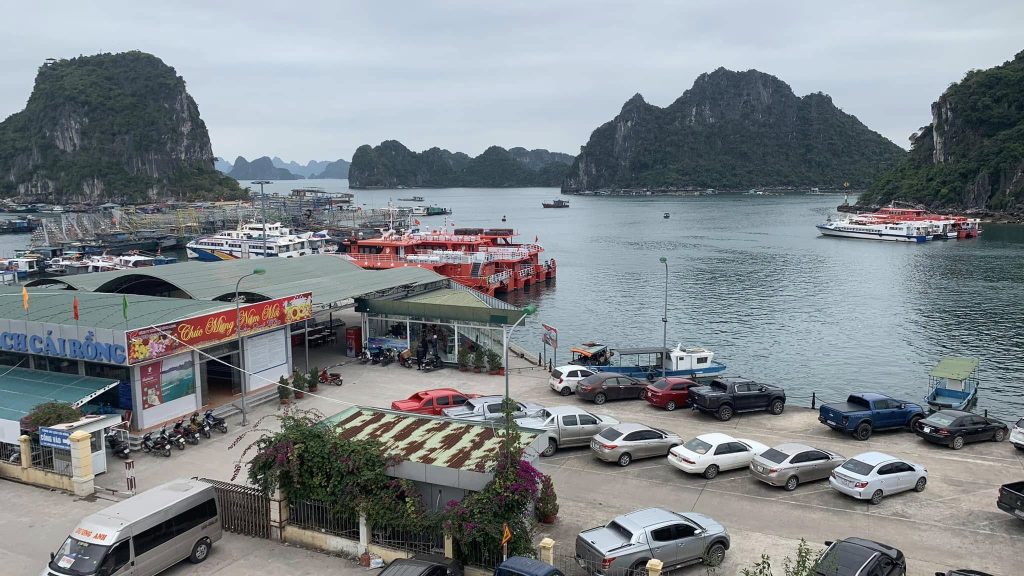
Cai Rong Port is closely associated with waterway transport and the coastal and island communities of Van Don, Quang Ninh. For many years, the port connected the mainland with Co To and Van Don’s island communes, supporting passenger travel, goods transport and fishing activities. Boat services through Cai Rong helped establish an important trading hub in northeastern Vietnam’s coastal region.
Today, travellers looking for information about boats from Cai Rong Port to Co To, Quan Lan or Minh Chau should carefully check their departure point. Tourist passenger services to the islands have been transferred to Ao Tien Port, while Cai Rong continues to serve local communities and maritime economic activities.
Where Is Cai Rong Port?
Cai Rong Port is located in the Cai Rong area of Van Don Special Zone, Quang Ninh. Older documents and travel guides commonly list its address as Cai Rong Town, Van Don District.
From 1 July 2025, Cai Rong Town and the communes of Van Don District were reorganised into Van Don Special Zone. Visitors may therefore encounter both the former place names and the current administrative name when using maps, reading older articles or speaking with local residents.
If you need to reach the port area, give your transport provider the full destination name: “Cảng Cái Rồng, Vân Đồn, Quảng Ninh.” If you are taking a boat to an island, make sure your drop-off point matches the port named on your ticket or in the operator’s departure instructions.
The History and Development of Cai Rong Port
Established in the Early 1990s
According to a report by the Van Don District People’s Committee published on the Quang Ninh government portal in March 2017, Cai Rong Port was built in 1992 and opened in 1993. The original structure featured a T-shaped pier with an approach measuring 108 metres long and 6 metres wide. Approximately 20 hectares of water were allocated for port management and operations.
The port accommodated a range of vessels, including fishing boats, cargo vessels and passenger boats. As a multipurpose port, Cai Rong became a waterway transport hub connecting central Van Don with five island communes and what was then Co To Island District.
A Port Connected to Coastal and Island Livelihoods
Cai Rong’s history is also closely linked to families working in fishing, aquaculture, seafood trading and services on the water. Local accounts from 2017 describe floating homes, fishing vessels, boat repair facilities and other activities supporting coastal livelihoods around the port.
As vessel numbers and transport demand increased, pressure on the port’s waters grew. Reorganising anchorage areas, relocating activities that affected navigation channels and investing in infrastructure became necessary parts of the port’s development.
2016–2018: Upgrades to Passenger Facilities
The period from 2016 to 2017 brought significant changes to Cai Rong Port’s infrastructure and operations. Passenger facilities were improved with waiting areas, shelters, seating, electronic information boards and ticket control systems.
Ticket sales were centralised, while cargo vessels and passenger boats were assigned suitable operating areas. These changes helped the port better accommodate local travel needs and the growing number of visitors travelling to the islands.
Passenger traffic during this period illustrates Cai Rong’s importance within Quang Ninh’s island transport network. According to Quang Ninh Newspaper in August 2018, 81 passenger vessels were registered to operate at the port, including 60 high-speed boats. In the first six months of 2018 alone, the port handled 305,125 passenger movements. These historical figures reflect operations before Ao Tien Port opened.
From 2023: Changes to Passenger Transport Operations
Ao Tien Port began operating on 1 March 2023, providing a new departure point for passenger boats to Co To and Van Don’s islands.
Under arrangements announced by the local authorities on 5 April 2023, Cai Rong Port continued to accommodate certain eligible vessels serving local residents and transporting workers. Ao Tien received vessels registered and certified for passenger transport to the islands. This reassignment of functions between the two ports marked an important change for travellers.
References to the “Cai Rong–Co To” route in older articles or travel guides should therefore be checked against the details of your actual journey. When booking, confirm the departure port, arrival pier and check-in location.
Cai Rong Port in Van Don’s Maritime History
Van Don has a long tradition of maritime trade. Van Don Trading Port was established in 1149 during the reign of King Ly Anh Tong. It comprised several landing places across the islands of Bai Tu Long Bay, including Cong Dong, Cong Tay, Cai Lang and other locations.
When exploring the area’s history, distinguish the establishment of this historic trading port complex from the construction of modern Cai Rong Port in the early 1990s. These developments belong to different periods, while both demonstrate the lasting importance of maritime transport to Van Don.
Is Cai Rong Port Still Operating?
Cai Rong Port continues to serve local activities. Information issued by the Van Don Special Zone People’s Committee in April 2026 referred to the ongoing management and reception of vessels at the port, alongside the planned transfer of passenger transport operations to Ao Tien International Port.
For the Co To, Quan Lan and Minh Chau routes, information published on 13 April 2026 stated that vessels with fewer than 50 seats departing from Cai Rong were assigned to serve local residents, officials and personnel on duty. Tourists were directed to Ao Tien. Passengers should confirm the appropriate service and any eligibility requirements with the operator before travelling to the port.
The Role of Cai Rong Fishing Port
A further milestone in local fisheries infrastructure was the official opening announcement for Cai Rong Fishing Port, issued by Quang Ninh under Decision No. 1532/QĐ-UBND dated 5 May 2026.
Located in Quarter 9, Van Don Special Zone, the facility is classified as a Class II fishing port and is managed and operated by the Van Don Special Zone Public Utility Services Management Board. Its quay is more than 170 metres long, with a designed cargo handling capacity of over 15,000 tonnes per year.
Activities include receiving fishing vessels, unloading and transferring seafood, supporting the verification of catch origins, and providing services at the storm shelter anchorage. These functions form an important part of Cai Rong’s role in supporting the fishing industry.
Understanding the Difference Between Cai Rong Port and Ao Tien Port
Cai Rong and Ao Tien are separate locations that travellers should distinguish when planning transport in Van Don.
| Feature | Cai Rong Port | Ao Tien Port |
|---|---|---|
| Location | The Cai Rong area, formerly part of Cai Rong Town | The area formerly belonging to Ha Long Commune, Van Don District |
| Development milestone | Established as a multipurpose port in the early 1990s | Began passenger transport operations in March 2023 |
| Main role to be aware of | Transport serving local communities, goods transport and fishing activities | A departure hub for tourists travelling to Co To and Van Don’s islands |
| Before travelling | Confirm the service, who it serves and the boarding location | Check the operator, check-in time and arrival pier on the island |
The information on the locations and functions of the two ports has been cross-checked against local announcements and information about Ao Tien Port.
For details about the terminal, island routes and preparations for your journey, see our article on Ao Tien Port in Van Don.
Tips for Travelling by Boat from Van Don to the Islands
To make booking and travelling to the port easier, check the following details:
- Departure port: Send your driver the port name shown on your ticket or in the operator’s instructions, especially when arranging a transfer in advance.
- Arrival pier on the island: Confirm where the boat will dock so you can arrange a pick-up and onward transport to your accommodation.
- Outward and return travel dates: Confirm each leg separately rather than assuming that both directions operate at the same times.
- Arrival time and travel documents: Follow the operator’s instructions and allow extra time if travelling with young children, older passengers or substantial luggage.
- Total charges: Clarify the ticket price, port service charges and what is included before confirming your booking.
Departure times and operating plans may change because of weather or operational conditions. Check your sailing again with the boat operator or ticket provider before your travel date.
Checking Boat Schedules and Planning Your Journey
You can browse routes and schedules on Taucaotoc.vn, then contact the transport operator to confirm your chosen sailing. For a tourist journey from Van Don to Co To, pay particular attention to Ao Tien–Co To service information and the departure port confirmed on your ticket.
Before arranging your transfer, send the driver the correct port name and the pick-up or drop-off location provided by the boat operator. Checking these details once more will help make the connection between your road journey and boat trip smoother.